GaN Power Adapters Beyond Phone Chargers: Industrial and B2B Applications
Published: September 2026
Reading time: 7 min
Audience: OEM brands, product engineers, and buyers specifying power supplies for industrial, medical, robotics, and energy-storage equipment
By Han — Paiyi Power, a GaN charger and power adapter manufacturer building mid-batch non-standard custom supplies for B2B customers, not only consumer phone bricks.
Last updated: 7 September 2026.
Contents
Direct answer: is GaN only for phone chargers?
No. Gallium nitride (GaN) is a semiconductor switch, not a phone-charger feature. Because a GaN power adapter runs cooler and smaller at the same wattage as a silicon one, it fits any application where space, heat, and efficiency matter — industrial controllers, robotics, medical devices, and energy storage among them. The phone charger got the headlines because it was the first high-volume use; the same physics is now moving into B2B power supplies. Paiyi Power builds GaN power adapters for these industrial uses, including custom voltages and enclosures most consumer catalogues will not touch.
What GaN actually changes in a power supply
Smaller and cooler at the same power
A GaN switch turns on and off faster and wastes less energy as heat than a traditional silicon MOSFET. For a given wattage, the transformer, heatsink, and case can shrink. That is the whole story behind the small 65W/100W/140W bricks — and behind compact industrial supplies that must sit inside tight equipment.
Efficiency and heat, not just size
Less wasted heat means higher efficiency and a cooler unit. In a sealed enclosure or a fanless design, that difference decides whether a supply survives its duty cycle. A GaN power adapter is not a marketing gimmick; it is a thermal and efficiency choice.
Why phone chargers got the attention (and why that misleads buyers)
Consumer phone chargers were the first place GaN hit volume, so the public equated “GaN” with “tiny phone brick.” But the property that shrinks a phone charger — high frequency, low loss, low heat — is exactly what industrial and medical equipment designers want when they have no room for a fan. Treating GaN as consumer-only makes B2B buyers overlook a supply class built for their problems.
Industrial and B2B uses for a GaN power adapter
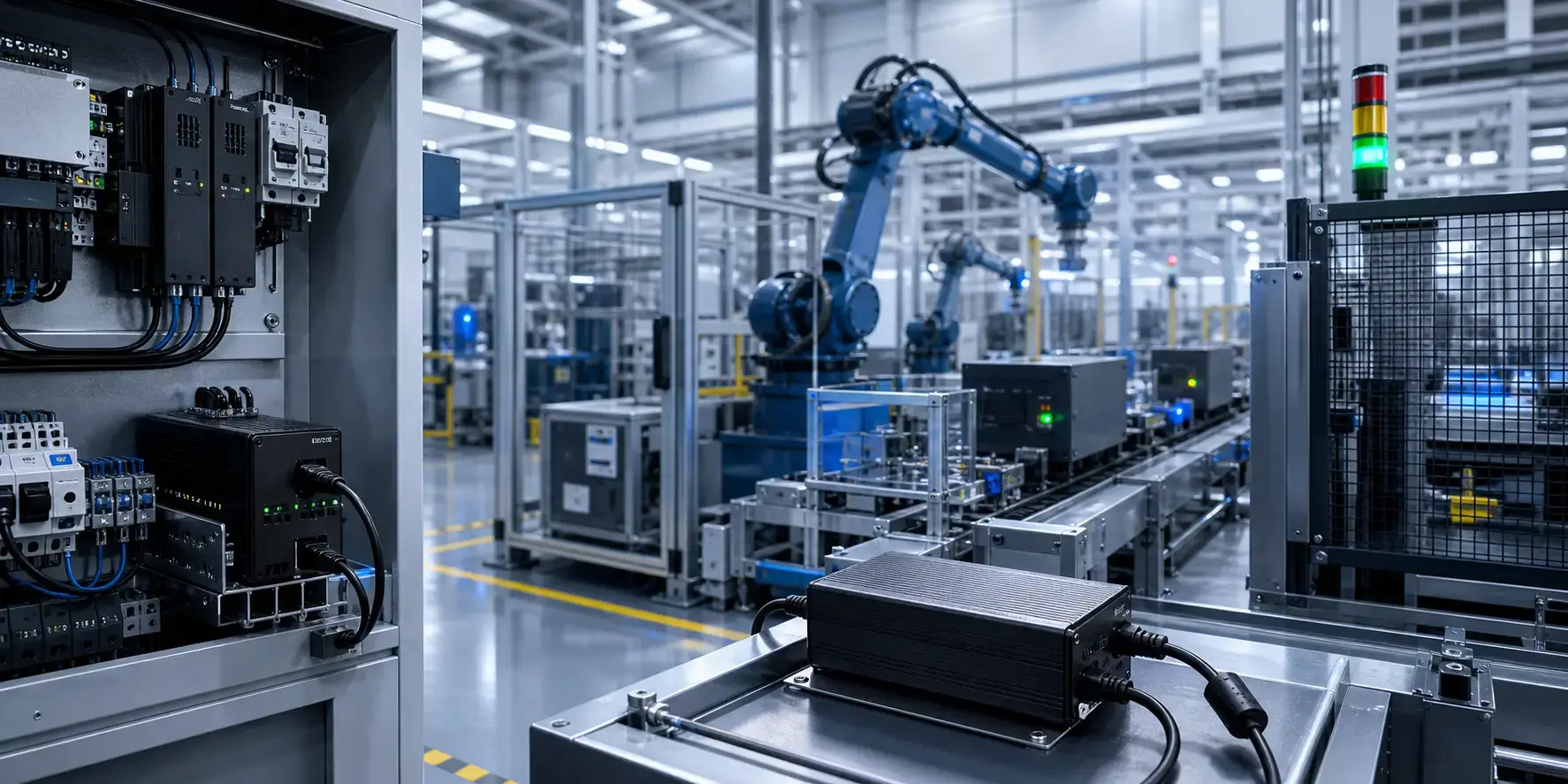
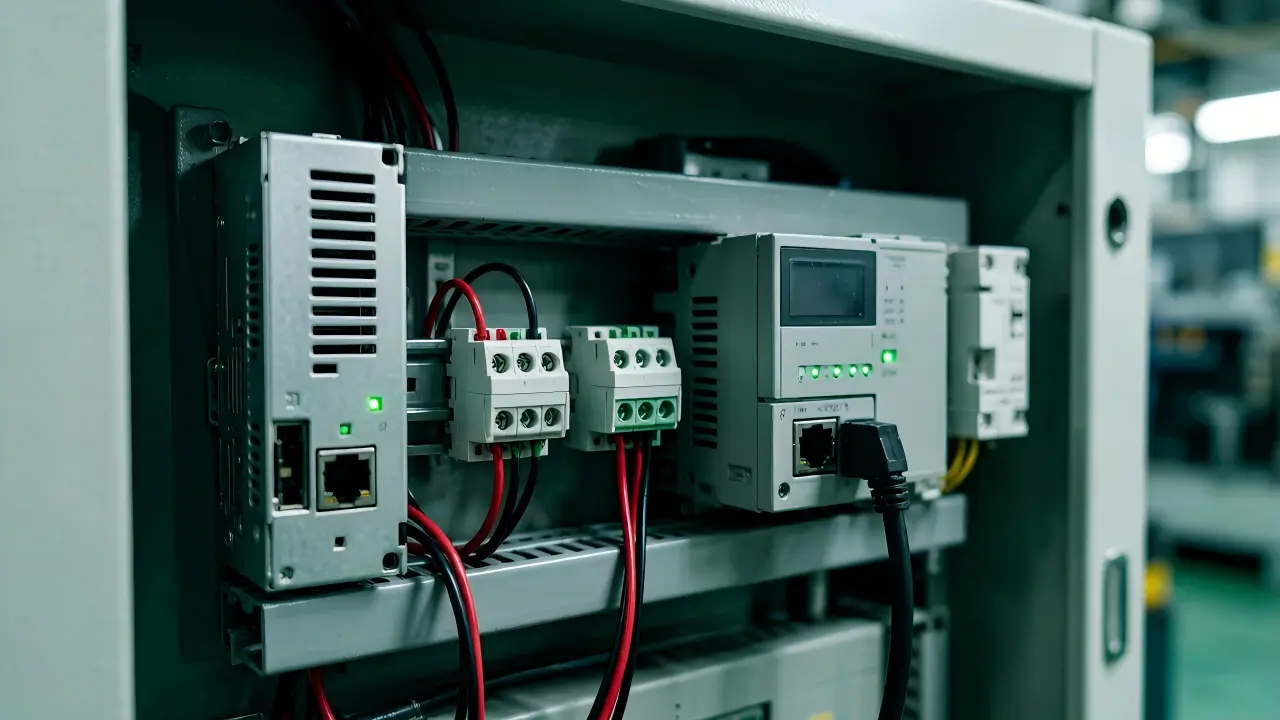
The same compact, cool-running supply serves far more than phones. Common B2B cases:
- Robotics and AGV/AMR — on-board supplies in space-limited bodies.
- Industrial automation — 24V/48V rails, wide-temperature enclosures.
- Medical devices — small footprint with low-leakage, isolated designs specified per application.
- Energy storage and BMS — high-efficiency charging and conversion.
- Communication and networking — fanless, dense rack or edge nodes.
- LED and lighting — compact drivers where heat is the enemy.

Application fit at a glance
| Application | Why a GaN power adapter fits | Paiyi builds |
|---|---|---|
| Robotics / AGV | Compact, low heat in tight bodies | Custom enclosure + voltage |
| Industrial automation | 24V/48V rails, wide-temp | Yes |
| Medical devices | Small footprint, low leakage on request | Isolation specifiable per project |
| Energy storage / BMS | High efficiency, thermal headroom | Yes |
| Communication / networking | Fanless, dense nodes | Yes |
| LED / lighting | Compact drivers, low heat | Yes |
Non-standard GaN: custom voltage and enclosure
The industrial case is rarely a stock SKU. A robotics arm may need 36V; a medical instrument may need a low-leakage 24V with a shaped enclosure; a rail device may need wide-temperature sealing. A GaN power adapter makes the custom enclosure feasible because there is less to cool. For the engineering detail behind odd voltages and custom mechanics, see our guide to non-standard power adapter design.
Efficiency standards a GaN power adapter helps meet
GaN’s efficiency margin makes it easier to clear the world’s external-power-supply rules. These are the anchors B2B buyers cite:
| Standard | Region | What it requires |
|---|---|---|
| DOE Level VI | United States | Minimum active efficiency + low no-load power |
| EU ErP (Reg. (EU) 2019/1782) | European Union | CoC Tier 2 efficiency for external supplies |
| Code of Conduct Tier 2 | EU / UK | Voluntary-but-common efficiency benchmark |
| USB PD (IEC 62680) | Global | PD spec incl. PD 3.2 / SPR AVS for USB-C outputs |
Certification reality: designed to PD 3.2, not blanket-certified
For USB-C outputs, Paiyi Power designs GaN power adapters to the USB PD 3.2 specification, including SPR AVS, and holds safety certifications such as CE, CB, FCC and ISO 9001. We state one thing plainly: certification status differs by SKU and by production batch, and earlier runs were certified under USB PD 3.1. Rather than claim “PD 3.2 certified” across the board, we send the model-specific test report for the exact unit you order. The closure timeline behind that distinction is explained in our PD 3.2 certification article.
Paiyi Power: a GaN power adapter manufacturer for B2B
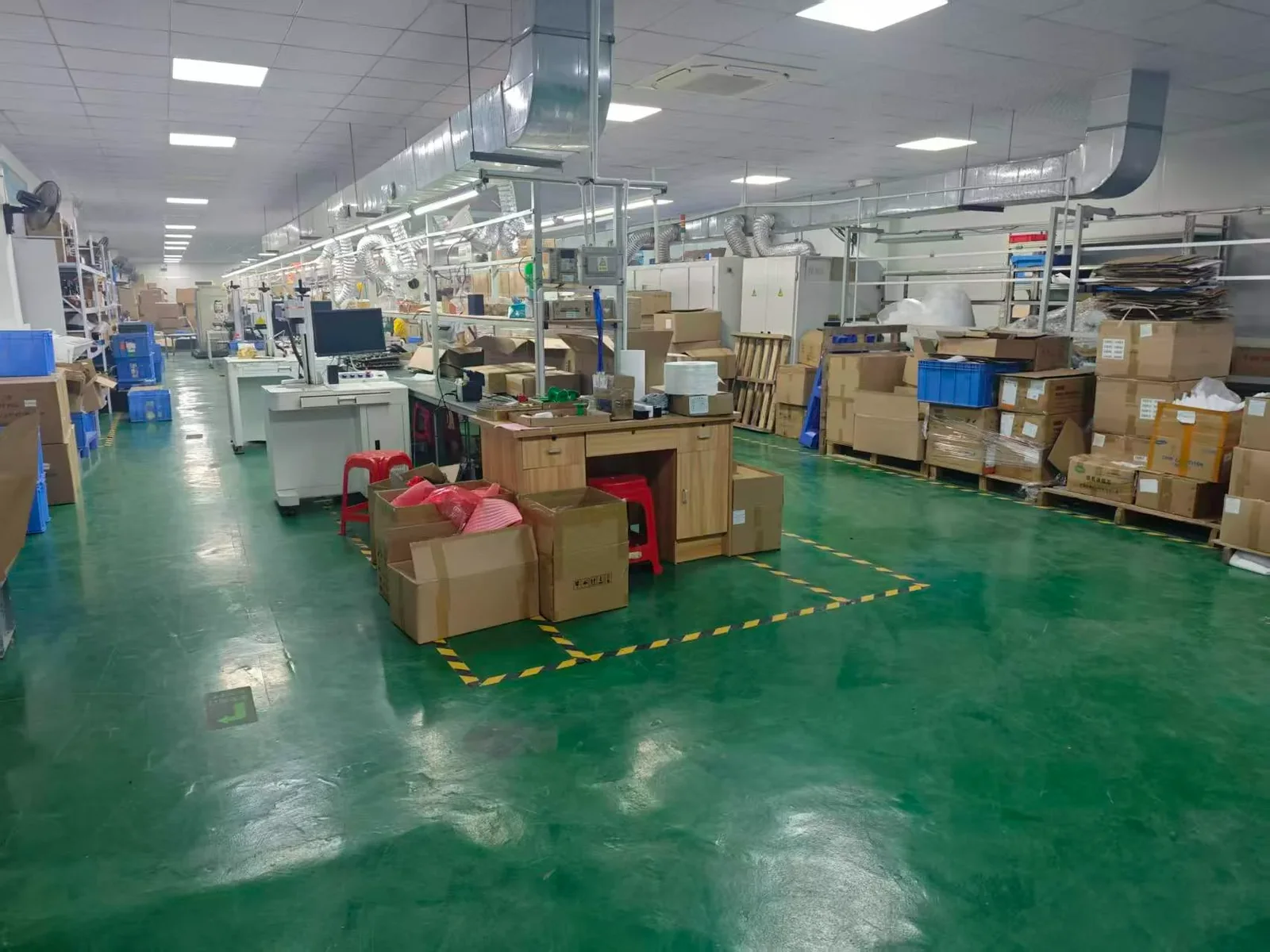
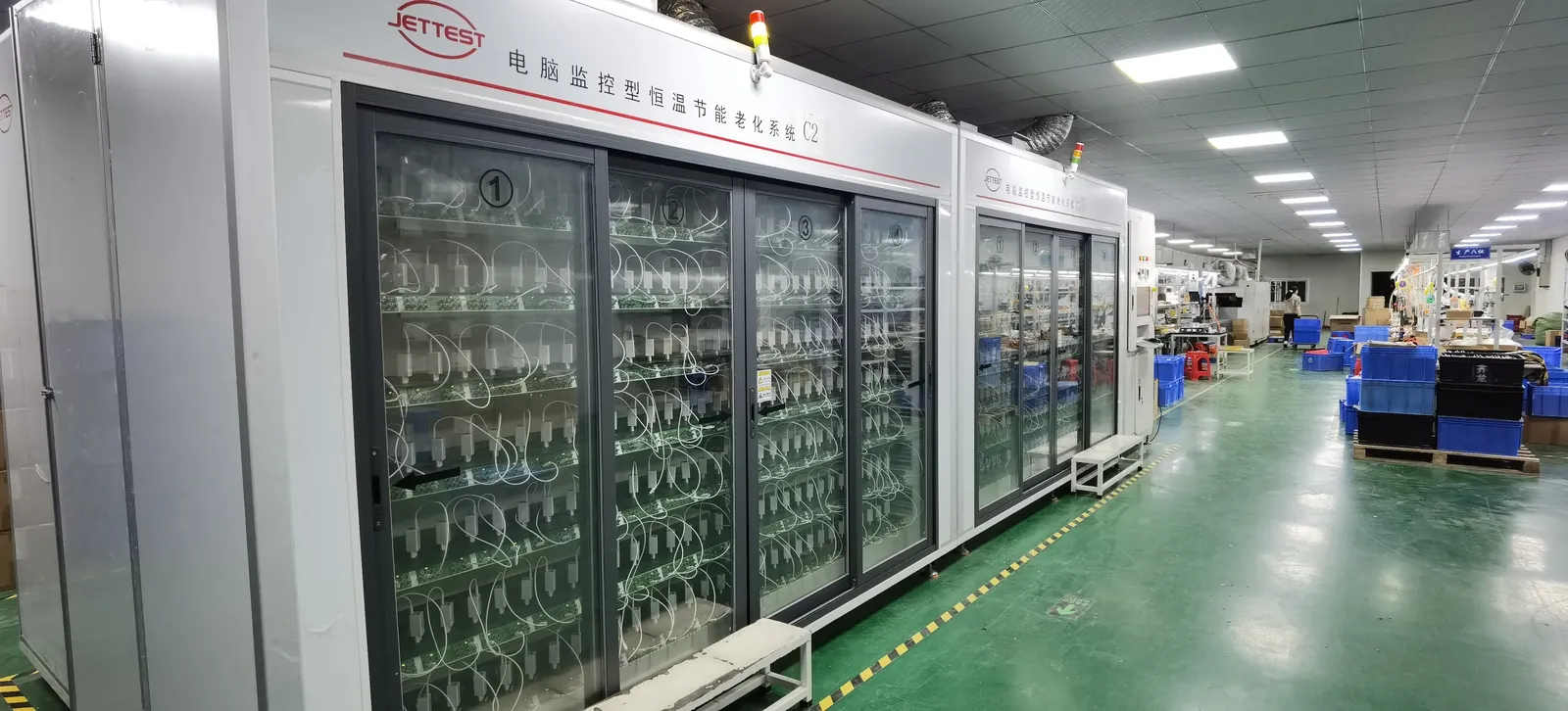
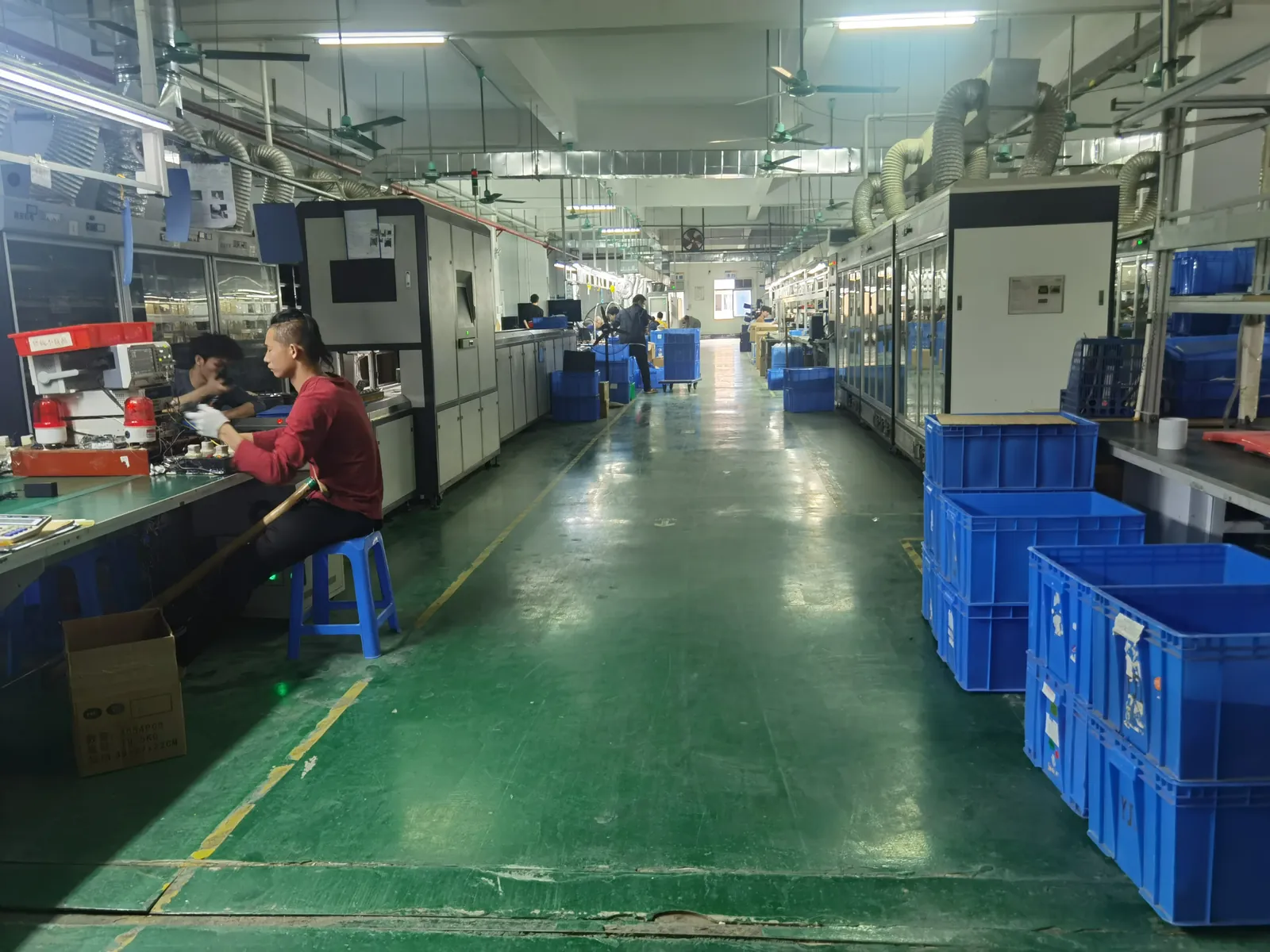
Paiyi Power is a GaN charger and power adapter manufacturer focused on mid-batch non-standard custom work. The figures below are our own factory data, current as of September 2026.
| Item | Paiyi Power |
|---|---|
| Minimum order quantity (MOQ) | 200 pcs per model |
| Monthly capacity | Up to 150,000 pcs |
| Production lines | 4 |
| Employees | 50 |
| Lead time | 5–6 weeks |
| Pre-shipment inspection | 100% of units |
| Quality system | ISO 9001 |
| PD 3.2 status | Products designed to the USB PD 3.2 specification, including SPR AVS. Earlier production runs were tested and certified to USB PD 3.1. |
Frequently asked questions about GaN power adapters
Is a GaN power adapter only for phones?
No. GaN is a semiconductor switch; its size and heat advantage applies wherever a supply must be small or cool, including industrial, medical, robotics, and storage equipment.
Why use GaN in industrial equipment instead of silicon?
For space and heat. In a sealed or fanless enclosure, a GaN power adapter runs cooler and smaller, which raises reliability under continuous load.
Can you build a custom-voltage GaN supply?
Yes. Odd output voltages, custom connectors, and shaped enclosures are exactly the non-standard work a specialist power adapter manufacturer handles. See our non-standard design guide.
Does GaN help meet efficiency rules like DOE VI or ErP?
Yes. The higher active efficiency and lower no-load draw of a GaN power adapter make it easier to clear DOE Level VI, EU ErP (Reg. (EU) 2019/1782), and CoC Tier 2.
Are Paiyi GaN chargers PD 3.2 certified?
Designed to PD 3.2, certified per SKU. Units are designed to the USB PD 3.2 specification including SPR AVS; certification status varies by model and batch, and earlier runs were certified under PD 3.1. We send the model-specific report.
What MOQ applies to a custom GaN power adapter?
From 200 pcs per model at Paiyi Power, which fits mid-batch B2B programs that a big OEM would decline.
Is GaN less reliable than silicon?
No — properly designed, it is more reliable in thermal terms. Lower loss means less heat to manage; reliability comes from the design, the quality system (ISO 9001), and 100% inspection, not the switch material alone.
Can a GaN supply be wide-temperature or rugged?
Yes. Because GaN runs cooler, wide-temperature and sealed/rugged builds are more practical; specify the range and IP rating per project.
How fast can a sample be ready?
Prototypes ahead of the 5–6 week first-production lead time. With in-house engineers, a specialist power adapter manufacturer returns a revised sample faster than a trader or catalogue OEM.
Sources
- USB-IF — USB Power Delivery specifications
- IEC 62680-1-2 — USB Power Delivery (PD R3.2)
- U.S. DOE — External Power Supply efficiency (Level VI)
- EU Commission — Ecodesign / ErP for external power supplies
- Infineon — Gallium nitride (GaN) technology overview