Power Supply Factory Audit: 12-Point Complete Checklist
Published: September 2026
Reading time: 13 min
Audience: Procurement leads and brand owners who are about to place their first order and want a power supply factory audit they can actually run — the on-site and remote checks that separate a real OEM from a trading desk with a nice brochure.
By Han — Paiyi Power, a Huizhou-based power supply OEM/ODM (GaN chargers and custom units 5W–240W, designed to USB PD 3.2 with SPR AVS) that welcomes factory audits and holds CE/CB/FCC/RoHS/ErP and ISO 9001, at MOQ 200 pcs per model.
Last updated: 28 September 2026.
Contents
Direct answer: how to run a power supply factory audit
A power supply factory audit is a half-day on-site (or video) check across twelve points: legal entity and facility, document pack, production flow, the SMT step, manual assembly and QC, test equipment, burn-in, certifications, quality system, capacity, traceability, and the people who answer your questions. Score each point; anything vague or evasive is a flag, not a footnote. The audit exists to prove the factory owns its process — assembly, QC, ATE, burn-in — rather than reselling a reference design it cannot tune. The 12-point checklist below is the same one we hand to our own buyers before they place an order, because a transparent power supply factory audit protects both sides.
Why a power supply factory audit beats a supplier scorecard
A supplier scorecard filled in by the vendor is marketing. A power supply factory audit is evidence. The scorecard tells you what the factory claims; the audit shows you the incoming-inspection record, the ATE pass rate, and whether the “SMT line” is owned or partnered. For a safety-critical component like a power supply, a bad unit is a fire, a return, or a recall, so the cost of a wrong call is high. The table below weights the twelve audit areas so you can turn the visit into a comparable score across vendors, instead of a pile of photos that all look impressive. Weight the process-ownership points heaviest, because that is what survives at volume.
| Audit area | What good looks like | Weight |
|---|---|---|
| Process ownership | Owns assembly, QC, ATE, burn-in | High |
| Document pack | BOM, test limits, cert PDFs | High |
| Test equipment | 100% ATE + hipot + burn-in | High |
| Certifications | CE/CB/FCC/RoHS/ErP, ISO 9001 | Medium |
| Capacity & lead time | Realistic 5–6 weeks, 4 lines | Medium |
Documents to request before a power supply factory audit
A power supply factory audit starts before you fly. Request the document pack in writing and read it, because the visit only confirms what the paper implies. The pack should include the business license, the ISO 9001 certificate, the CE/CB (IECEE) and FCC/RoHS/ErP paperwork tied to your watt class, the frozen bill of materials, and the production test limits. A factory that stalls on the basic license or cert PDF is telling you something. The table below lists what to request and why each document matters, so you can refuse the meeting if the pre-read fails.
| Document | Why it matters |
|---|---|
| Business license | Confirms a real legal entity exists |
| ISO 9001 certificate | Proves a quality system is audited |
| CE / CB / FCC / RoHS / ErP | Safety marks for your exact model |
| Frozen BOM | Lets you verify the build is repeatable |
| Production test limits | Shows how “consistent” is defined |
Facility walkthrough in a power supply factory audit: layout, flow, cleanliness
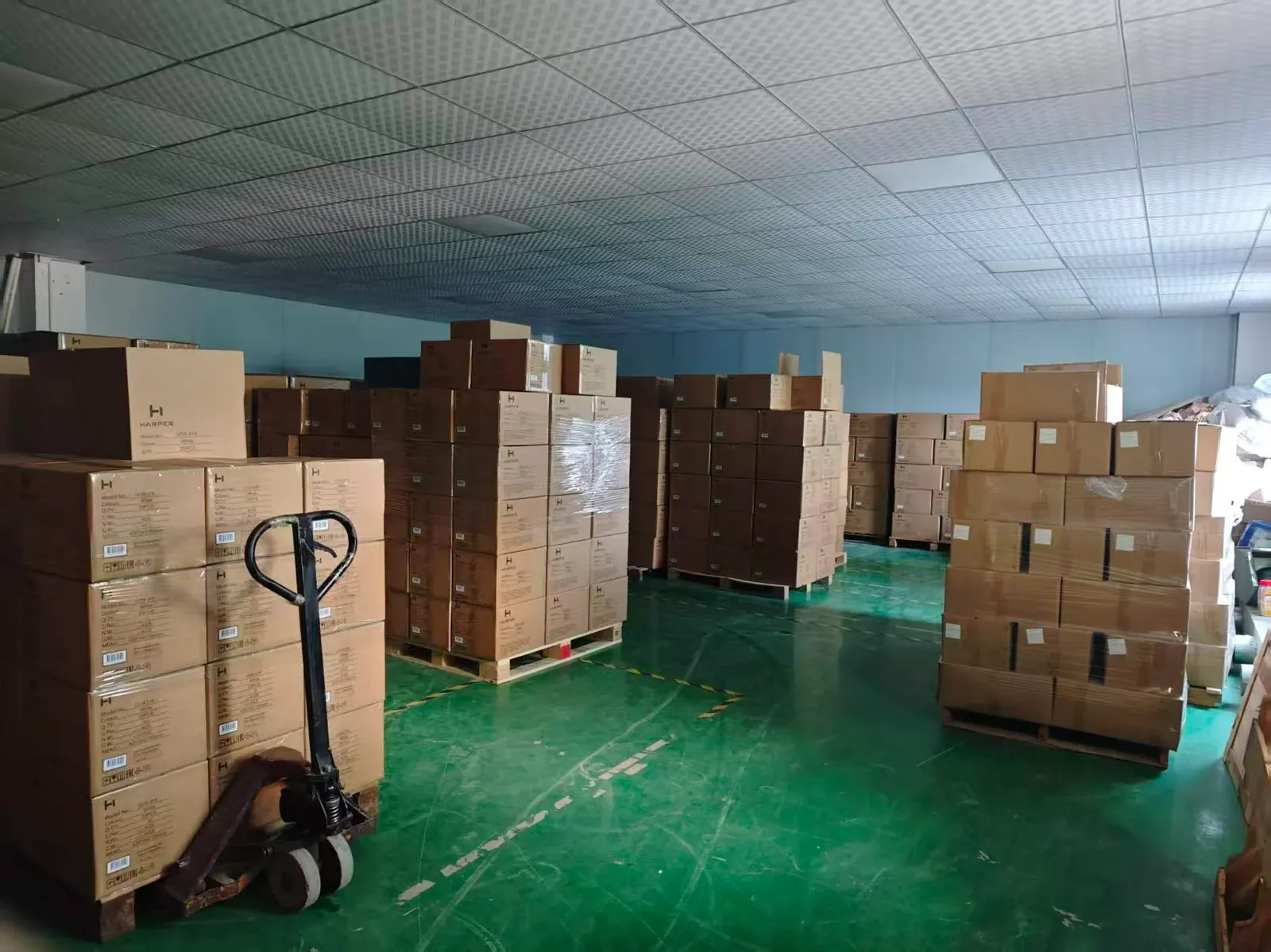
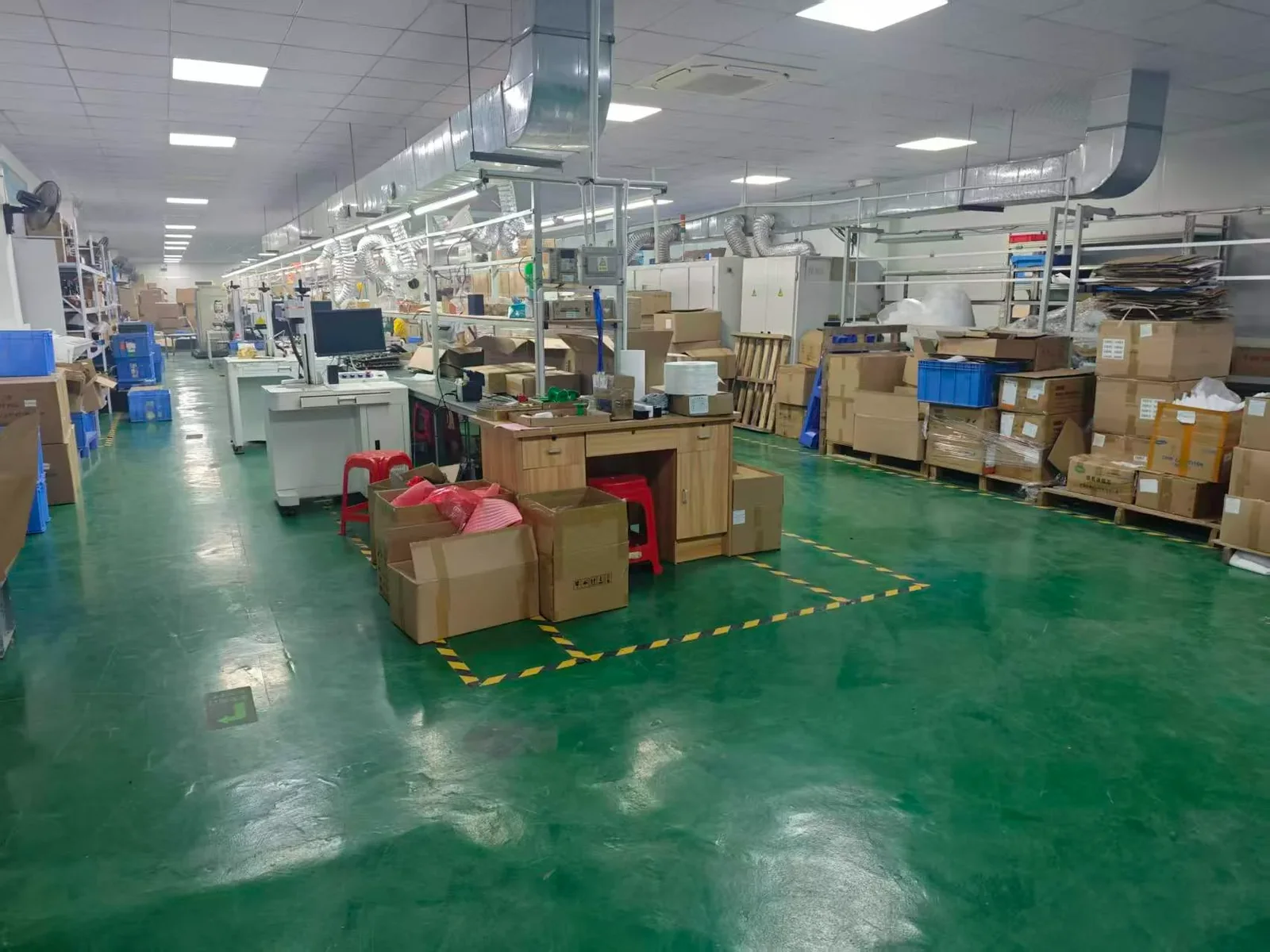
The first minutes of a power supply factory audit are the most informative. Walk the line in production order: incoming inspection, SMT (or its partner handoff), manual assembly, QC, ATE, burn-in, packing. A clean, single-direction flow with marked stations and grounded ESD controls signals discipline; a cramped floor where boards double back on themselves signals chaos that will show up in your returns. Note the floor area and headcount honestly — a 50-person factory that claims 500,000 units a month is either lying or subcontracting without saying so. The facility tells the truth the brochure will not.
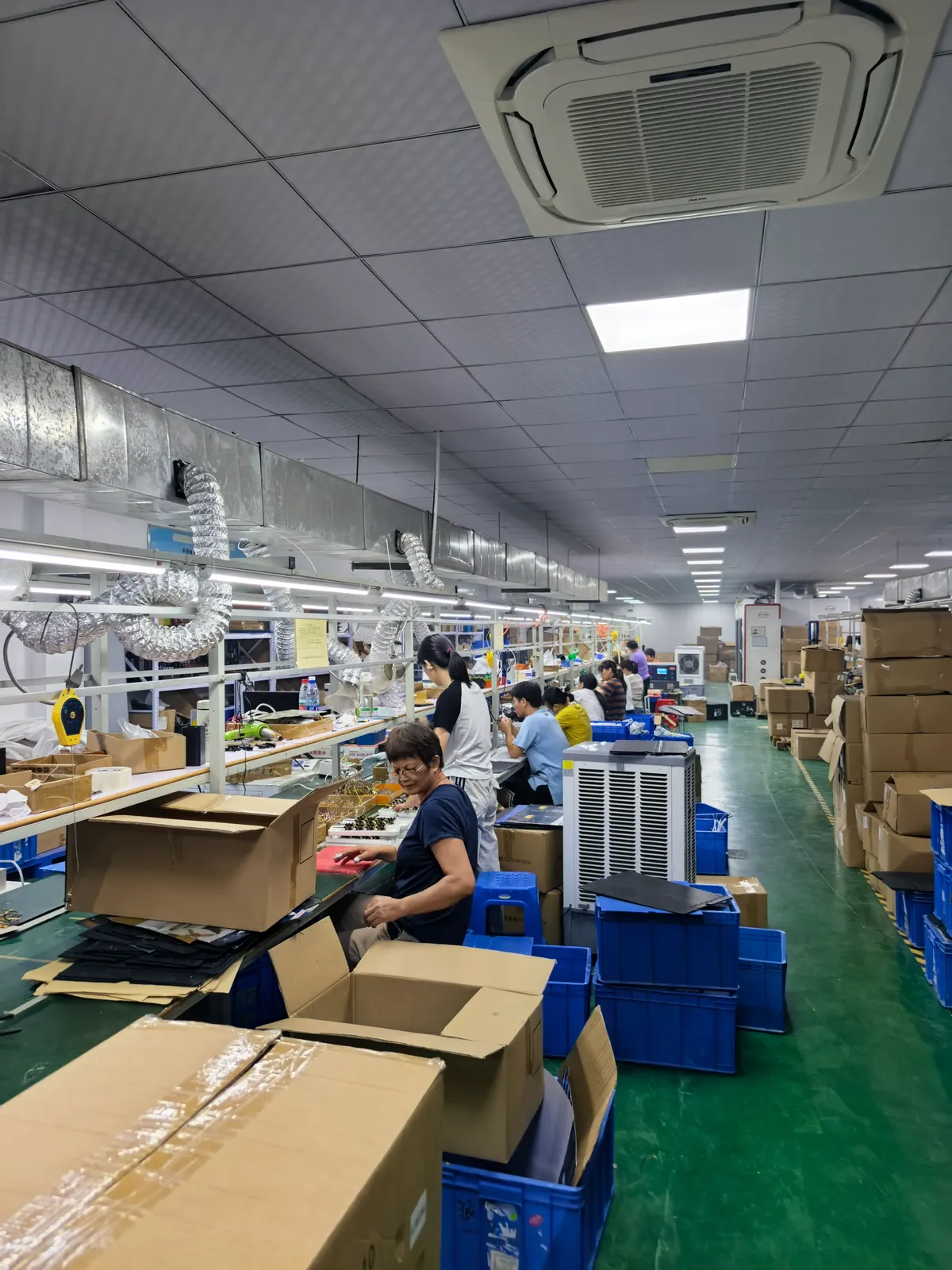
Cleanliness is not vanity. Dust and flux residue on a power supply board are latent failures; an ESD-uncontrolled bench is a field-return factory. During the power supply factory audit, look for ionisers, wrist straps that are actually worn, and a separate area for the burn-in racks away from the clean assembly zone. A factory that lets you walk the whole flow unprompted is confident; one that steers you past the “real” line to a showroom bench is not. Trust the floor, not the reception.
SMT and the partnered line: what a power supply factory audit must verify
Most small power supply OEMs, including Paiyi Power, do not own an SMT line — they hold a stake in a Tier-1 SMT partner (Fuji NXT / M3S) and own the rest. A power supply factory audit must verify the handoff, not assume it. Ask to see the incoming-inspection record for the PCBA: X-ray or AOI evidence, BOM verification against the frozen list, and the lot-rejection rule. The partnered line is fine if the incoming gate is real; it is a risk only when the factory trusts the partner blindly. Be precise in the report: call a partnered line a “Tier-1 SMT partner,” never “our SMT factory,” or the claim collapses under your own audit.
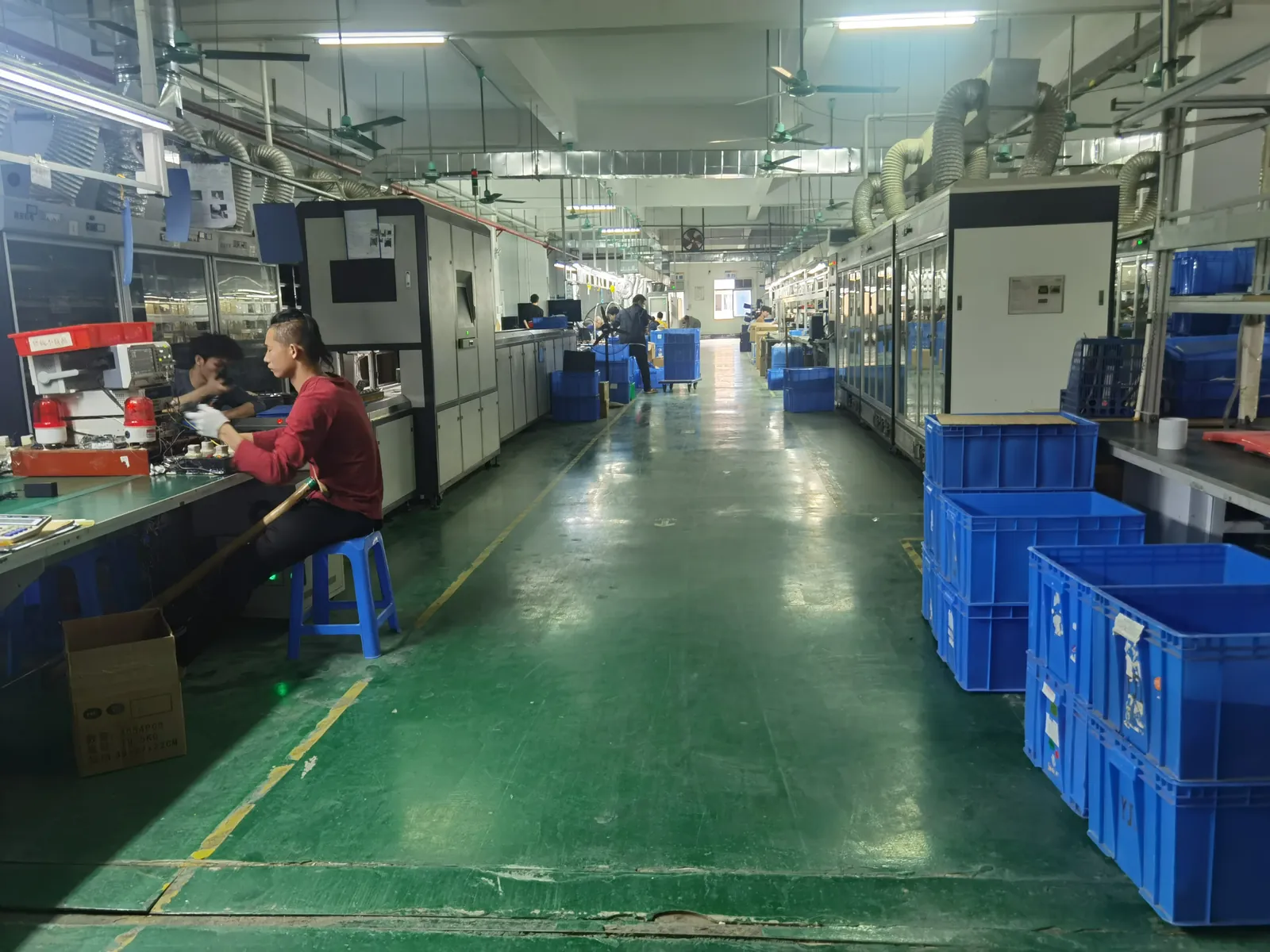
During the power supply factory audit, ask the SMT question directly: who programs the placement, who owns the reflow profile, and what happens when a board fails AOI? A factory that answers with the partner’s name and its own incoming check is honest. One that claims “we make the boards” for a line it does not own is misrepresenting capacity. The accurate phrasing — “the SMT line Paiyi Power holds a stake in” — is what you want in your notes, because it survives the second audit your own customer runs on you.
Manual assembly and QC: the step a power supply factory audit should weigh
This is the step a power supply factory audit should weigh heaviest, because it is what most OEMs actually own. Manual assembly, the safety-critical wiring, the torque and strain relief, the visual and functional QC — these are where a good factory earns its fee and a trading desk is exposed. Ask to watch a unit built end to end, not a staged demo. Look for written work instructions at each station, first-piece verification, and a QC sign-off before ATE. A power supply that leaves assembly undocumented is a unit you cannot trust at volume, no matter how good the prototype looked.
The QC step should include a functional check before the unit reaches ATE, so obvious faults are caught at the bench, not after full test. During the power supply factory audit, ask what QC rejects per shift and what happens to a rejected unit — rework, quarantine, or scrap. A factory with a visible rework log and a quarantine area is controlling quality; one with a “we fix it and send it” shrug is not. The manual assembly and QC line is the factory’s signature on the product, and the audit is where you read it.
Test equipment and ATE coverage in a power supply factory audit
A power supply factory audit must confirm what the test bench actually checks. The minimum is 100% automatic functional test (ATE): output voltage and current, ripple, regulation, protection-trip behaviour, and isolation (hipot) at load. Ask for the ATE coverage statement in writing — what is checked on 100% of units versus sampled — and the pass/fail band. A factory that “tests them all” with no band means nothing; one that shows you the fixed limits set at the pilot run is proving consistency. Look at the equipment: calibrated loads, real hipot testers, and a data log, not a multimeter and a hope.
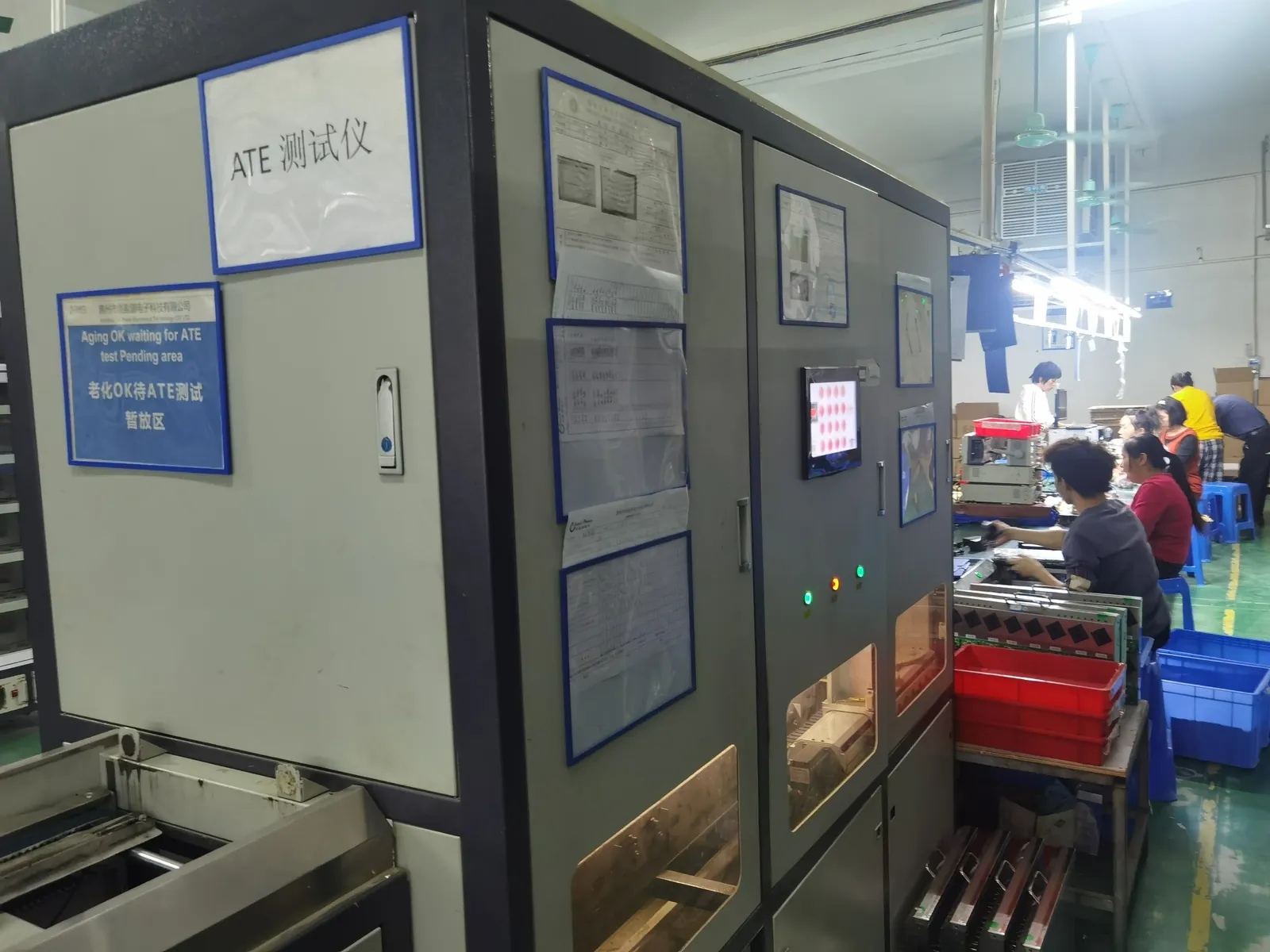
During the power supply factory audit, ask to see the ATE data for a recent lot: mean, spread, and reject rate per station. A tight spread and a low, steady reject rate mean the process is in control. A wide spread or a reject rate that jumps lot to lot means the line is drifting and your order will inherit the drift. The test equipment is only as good as the band and the log behind it; the audit is where you confirm both exist and are used, not just owned.
Burn-in and aging: is it real 100% in a power supply factory audit?
Burn-in is the check that removes early-life failures before shipping, and a power supply factory audit should confirm it is real, not a tagged rack that nobody powers. Ask how many units are burned in (100% or a sample), at what load, for how long, and what the reject rule is. A serious factory burns in 100% of units at rated load for a defined window and logs the failures. One that “spot checks” or cannot show the log is gambling with your brand. The burn-in chamber is where a power supply proves it will still work in year three, and the audit is where you verify the chamber is actually running.
Pair burn-in with the hipot isolation test in your notes. A power supply that passes hipot on 100% of units and burns in 100% has a defensible safety story; one that samples either is hoping. During the power supply factory audit, walk to the aging racks and confirm they are loaded and monitored, not empty or decorative. The aging chamber and the ATE bench together are the two places a factory proves safety by design, and both belong in your written acceptance, not the sales pitch.
Certifications and documentation a power supply factory audit confirms
The certificates a factory shows during a power supply factory audit must be tied to your exact model, not a family cert covering a different watt class. Request the CB (IECEE) report, the CE declaration, FCC and RoHS/ErP paperwork, and the ISO 9001 certificate, and check the model numbers and dates. A competent OEM holds CE/CB/FCC/RoHS/ErP and ISO 9001 as standard; UL/ETL/UKCA and market-specific marks are buyer-funded and factory-supported. The governing safety standard is IEC 62368-1. Any vague “certified” claim without a PDF is a red flag worth writing down, because customs and retailers will ask for the same papers later.
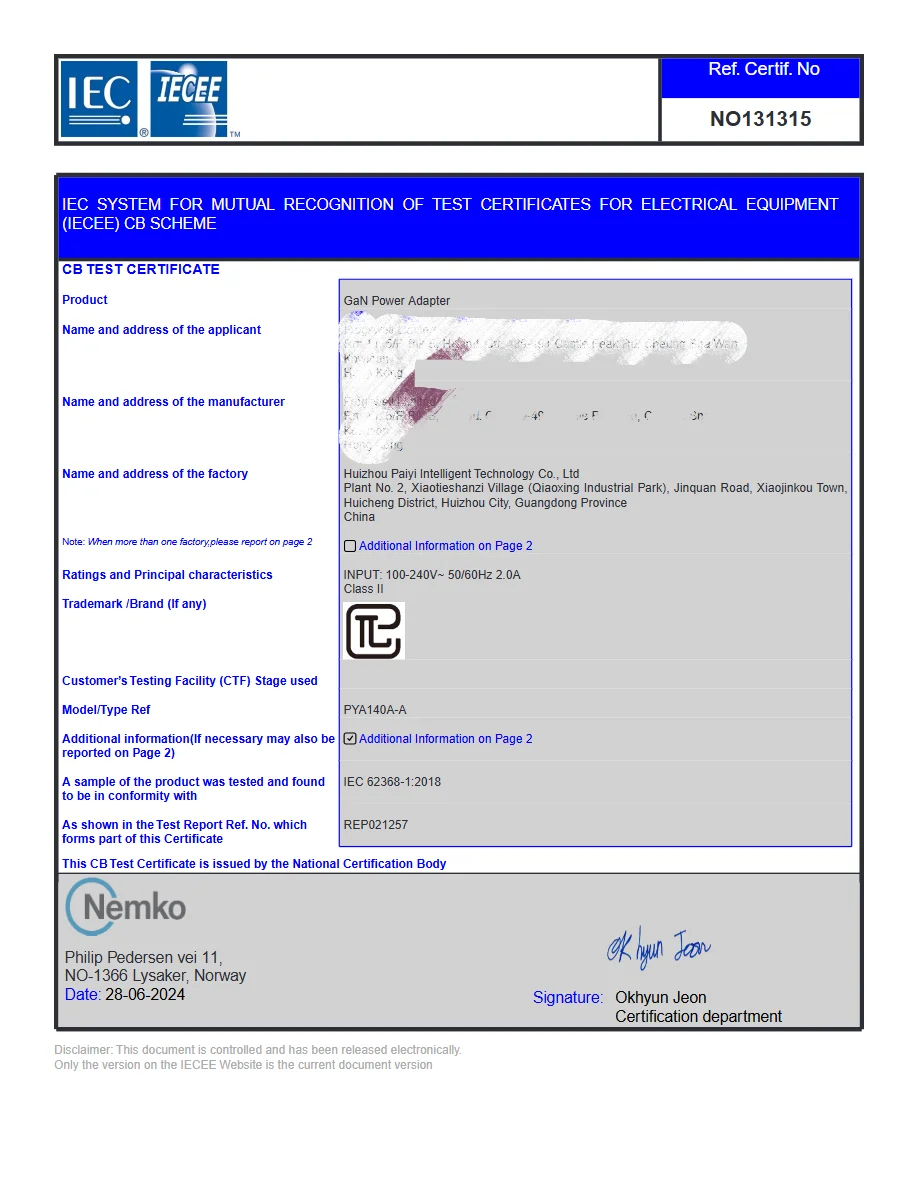
Documentation discipline is the quiet half of the power supply factory audit. Beyond certificates, ask for the frozen BOM, the test limits, and the change-control path: if a component goes obsolete, the factory proposes, you approve, and the unit is re-qualified before it ships. A partner that substitutes silently is a recall risk. Good doc control is the memory of the build, and the audit is where you confirm the factory keeps that memory — or does not, which tells you everything about next year’s 50,000th unit.
Quality system: ISO 9001 and 100% inspection under a power supply factory audit
ISO 9001 is the baseline quality system a serious power supply factory audit expects, but the certificate alone proves little — what matters is whether the system is lived. Ask how incoming, in-process and final inspection work, and whether final functional inspection is 100%. A factory that claims 100% inspection but samples the safety checks is misrepresenting its system. The power supply factory audit should confirm the inspection plan in writing: what is checked at each gate, by whom, and what the record looks like. ISO 9001 audited annually is a floor, not a ceiling; the daily discipline is what you are really buying.
The strongest signal in a power supply factory audit is a factory that volunteers its weakness — “we partner SMT, here is our incoming gate” — rather than overclaiming. A quality system you can see in the logs, the quarantine area, and the rework history is worth more than a framed certificate. Ask to meet the QC lead, not just the sales manager; the person who owns the line will answer differently than the person who sells it. The audit score should rise for honesty about limits, because that honesty is what protects your order at volume.
Capacity and lead-time reality during a power supply factory audit
A power supply factory audit must pressure-test the capacity claim. A typical competent OEM runs around four lines with a monthly capacity up to 150,000 units, a realistic 5–6 week lead time, and an MOQ near 200 pcs per model. If the floor you walk is tiny and the claim is ten times that, ask where the rest is made. Subcontracting is not forbidden, but hiding it is. The audit notes should record the observed lines, headcount, and the named subcontractors, so the capacity you approve is the capacity you get. A factory that shows you the real floor, even when modest, is one you can plan around.
Lead time is the other half of the capacity check. A quote with a two-week lead on a custom build is either a modified-standard unit mislabeled or a fantasy. During the power supply factory audit, ask for the current backlog and the last three orders’ actual ship dates versus quoted. A factory with a tight, honest backlog record is one you can rely on; one with vague dates is one whose promises will slip into your launch. Capacity and lead time are planning inputs, not sales points, and the audit is where you turn them into facts.
Red flags during a power supply factory audit
The red flags a power supply factory audit surfaces are usually about what the factory will not show, not what it does. Refusing the line walk, stalling on the cert PDF, calling a partnered SMT line “ours,” sampling the safety checks while claiming 100% inspection, and a capacity claim that dwarfs the floor — these are the classic tells. The table below contrasts the red flags with the green flags a trustworthy OEM shows, so you can score the visit without second-guessing. Write the flags down; a vague feeling in the meeting is a precise risk in the contract later.
| Signal | Red flag | Green flag |
|---|---|---|
| SMT line | “We make the boards” (not owned) | Names Tier-1 partner + incoming gate |
| Inspection | Samples safety, claims 100% | 100% ATE + hipot, logged |
| Certificates | Vague “certified”, no PDF | Model-specific CB/CE PDF shown |
| Capacity | Claim 10x the floor seen | Floor matches the claim, subcontractors named |
Remote / video power supply factory audit: what you can still verify
Not every buyer can fly, and a remote power supply factory audit still covers the essentials if you run it live, not as a pre-recorded tour. Request a real-time walk: share screen from a phone on the floor, watch a unit built, and ask the QC lead questions directly. You can verify the line flow, the test bench, the burn-in racks, and the document pack on screen. What you lose is the gut read of cleanliness and the unplanned glance into the corners — so weight the document and data checks heavier and treat the video as a gate, not a substitute for an eventual on-site visit on the first production order.
For a remote power supply factory audit, insist on live ATE and burn-in data, not screenshots, and on the cert PDFs emailed before the call. A factory comfortable on a live walk is comfortable on the floor; one that only offers a polished video is hiding something. The remote audit is also a culture check — how the team responds to hard questions tells you more than the brochure. Use it to shortlist, then confirm with an on-site visit before you commit the full volume, because the remote view is a strong signal, not the whole picture.
How Paiyi Power looks under a power supply factory audit
For transparency, here is how Paiyi Power answers a power supply factory audit. We are a Huizhou-based power supply OEM/ODM (founded Shenzhen 2015, Huizhou plant 2019, ~50 people) building GaN chargers and custom units 5W–240W, designed to USB PD 3.2 with SPR AVS. SMT runs at the Tier-1 factory we hold a stake in (Fuji NXT / M3S); the board returns to Huizhou for incoming inspection, manual assembly, 100% ATE and burn-in. We hold CE, CB, FCC, RoHS, ErP and ISO 9001, and our high-power USB-C builds are never claimed as USB-IF certified without a TID we can show.
Under a power supply factory audit we show the business license, the ISO 9001 cert, the model-specific CB/CE/FCC/RoHS/ErP PDFs, the frozen BOM, and the pilot-set test limits. You can walk the assembly, QC, ATE and burn-in lines live or by video, meet the QC lead, and read the incoming-inspection record for the partnered SMT step. MOQ starts at 200 pcs per model, capacity runs to 150,000 units a month across four lines, and lead time is a realistic 5–6 weeks. We name the partnered line precisely, because an honest audit is the start of a supply relationship you can scale.
Frequently asked questions
These are the power supply factory audit questions buyers ask most, answered without the sales gloss.
What is the minimum a power supply factory audit should cover?
Twelve points: legal entity and facility, document pack, production flow, the SMT step, manual assembly and QC, test equipment, burn-in, certifications, quality system, capacity, traceability, and the people who answer. Score each; anything vague is a flag. The audit exists to prove the factory owns its process — assembly, QC, ATE, burn-in — rather than reselling a reference design it cannot tune. A half-day on-site or a live video walk covers all twelve if you prepare the document pack first.
How do I verify a partnered SMT line during the audit?
Ask to see the incoming-inspection record for the PCBA: X-ray or AOI evidence, BOM verification against the frozen list, and the lot-rejection rule. The partnered line is fine if the incoming gate is real. Be precise in your notes: call it a “Tier-1 SMT partner,” never “our SMT factory,” or the claim collapses under your own customer’s audit. A factory that names the partner and its own incoming check is honest; one that claims ownership of a line it does not hold is misrepresenting capacity.
What certs should a power supply factory audit confirm?
The certificates tied to your exact model: CB (IECEE) report, CE declaration, FCC and RoHS/ErP paperwork, and the ISO 9001 certificate, with matching model numbers and current dates. A competent OEM holds CE/CB/FCC/RoHS/ErP and ISO 9001 as standard; UL/ETL/UKCA are buyer-funded. The governing safety standard is IEC 62368-1. Any vague “certified” claim without a PDF is a red flag, because customs and retailers will demand the same papers at shipment.
How do I tell if 100% inspection is real?
Ask for the inspection plan in writing and the recent ATE and hipot data: mean, spread, and reject rate per station. A factory that claims 100% inspection but samples the safety checks is misrepresenting its system. Real 100% means every unit gets ATE plus isolation (hipot) at load, with a fixed pass/fail band set at the pilot run. A tight spread and a steady, low reject rate mean the process is in control; a wide or jumpy spread means your order inherits drift.
Can a remote power supply factory audit be trusted?
Yes, for shortlisting, if you run it live: a real-time floor walk, a unit built on screen, live ATE and burn-in data, and the cert PDFs emailed before the call. What you lose is the gut read of cleanliness and the unplanned corner glance, so weight the document and data checks heavier. Treat the remote audit as a gate, then confirm with an on-site visit on the first production order, because the video is a strong signal, not the whole picture.
What capacity claim should make me suspicious?
Any claim that dwarfs the floor you walk. A typical competent OEM runs around four lines, up to 150,000 units a month, MOQ near 200 pcs per model, and a realistic 5–6 week lead. If the visible floor is tiny and the number is ten times that, ask where the rest is made and name the subcontractors. Hiding subcontracting is the red flag; naming it is normal. The audit notes should record observed lines, headcount, and subcontractors so capacity approved equals capacity received.
Why does the audit ask about change control?
Because a power supply that drifts after launch is usually a silent component substitution, not a design flaw. A good factory routes any change — obsolete part, new supplier — through proposal, your approval, and re-qualification before shipping. Ask for the frozen BOM, the test limits, and the change-notification lead time in writing. Doc control is the memory of the build; the audit confirms the factory keeps that memory, which is what protects the 50,000th unit.
Should a factory volunteer its weaknesses in the audit?
Yes, and it is a green flag, not a concession. A factory that says “we partner SMT, here is our incoming gate” is more trustworthy than one that overclaims a line it does not own. The power supply factory audit should reward honesty about limits, because that honesty is what protects your order at volume. Meet the QC lead, not just sales; the person who owns the line answers differently than the person who sells it, and that gap is the most useful thing you will hear.
What documents should I request before the visit?
The business license, ISO 9001 certificate, CE/CB/FCC/RoHS/ErP paperwork for your watt class, the frozen BOM, and the production test limits. Read them before you fly, because the visit only confirms what the paper implies. A factory that stalls on the basic license or cert PDF is telling you something. Requesting the pack in writing also lets you refuse the meeting if the pre-read fails, saving the trip and the risk.
Sources
- ISO — ISO 9001 (quality management systems)
- IEC — IEC 62368-1 (audio/video/ICT equipment safety)
- IECEE — CB Scheme (global certification for electrical equipment)
- Energy Star — External Power Supplies program
- USB Implementers Forum — USB Power Delivery specification
Related reading
- High-power charging: premium ODM for 100W–140W GaN
- Inside Paiyi Power: R&D to 100% inspection
- Certifications we hold (CE/CB/FCC/RoHS/ErP, ISO 9001)
- Custom power supply manufacturer: the complete OEM process guide
- How to vet a GaN charger manufacturer OEM: 12-point checklist
- 100W+ GaN charger OEM: the complete selection guide