Soluções de Carregamento Personalizadas para Hotéis: Guia de Compras para Redes Hoteleiras e Suprimentos
Publicado: Setembro de 2026
Tempo de leitura: 8 min
Público: hotel groups, hospitality procurement teams, FF&E contractors, and distributors specifying in-room charging for new builds and refurbishments
Por Han - Paiyi Power, a power adapter and power strip manufacturer producing custom-branded in-room chargers for hospitality programmes, from 200 pcs per model.
Última atualização: 8 de setembro de 2026.
Conteúdo
Direct answer: what should a hotel specify for in-room charging?
At minimum: USB-C at 30W or higher at the bedside and the desk, at least one legacy USB-A port, a mains socket the guest can actually reach, and a unit built for hospitality rather than retail. That last point is the one procurement teams miss. A consumer charger bought in bulk looks cheaper per unit and fails faster — cord strain, cracked housings, missing units, and no spare-part supply. A hotel charging programme is a fit-out decision with a 5–10 year service life, so specify to four things: guest-facing port mix, hospitality-grade durability, safety certification for the target markets, and a supplier who will still make the part in year six.
Why in-room charging became a reviewable failure
Charging is one of the few room features every guest uses, and it fails visibly. A guest who cannot charge a phone next to the bed has two problems: an inconvenience, and a reason to mention it in a review. Hospitality operators consistently report connectivity and charging among the most common in-room complaints, and the cost of the fix is trivial compared with the cost of the review.
The underlying issue is that rooms were designed for a lamp and an alarm clock. Guests now arrive with a phone, a laptop, earbuds, and often a watch or camera — and they expect to charge all of it from the bedside without crawling under a desk.
What guests actually expect in 2026
- USB-C at the bedside and the desk — and not a token 5W port. A modern phone expects 20W or more; a laptop expects 60W–100W.
- Enough ports for a couple sharing a room — two to four is the common brief.
- At least one USB-A for older devices and international guests.
- Wireless charging increasingly expected at the bedside on mid and upper tiers.
- No hunting — sockets must be reachable from the bed and the desk, not buried behind furniture.
Four form factors, and where each belongs
| Formato | Placement | Typical spec |
|---|---|---|
| Bedside unit (with or without clock) | Nightstand, beside the bed | 2× USB-C + 1× USB-A, optional Qi pad |
| Desk / wall plate | Work desk, entry wall | Mains socket + USB-C 30–65W |
| In-room power strip | Desk, under mirror, meeting rooms | 3–4 sockets + USB, surge protection |
| Freestanding / lobby station | Lobby, bar, conference areas | Multi-port high wattage, tamper resistant |
Why retail chargers fail in hotels
This is where the unit-price argument reverses. A consumer charger is engineered for a home, used by one careful owner. A hotel room sees hundreds of different users a year, aggressive cleaning, and no owner at all.
- Cord and strain-relief failure — the most common physical fault, caused by guests yanking cords and tugging at awkward angles.
- Housing damage from impact, drops, and cleaning chemicals.
- Loss — loose, portable units disappear. Fixed or captive designs do not.
- No spare-part supply — a retail model is discontinued in 18 months; a room programme needs the same part for years.
- Wrong plugs for the guest mix — international travellers cannot use a local-only socket.
- Certification gaps — a charger bought through a retail channel may not carry the approvals your insurer or local authority expects for a fixed installation.
Safety and compliance for hotel installations
Hotel charging is installed equipment, and the compliance expectation is higher than for a retail accessory. Requirements vary by market, but the baseline conversation should cover:
| Area | What to require |
|---|---|
| Product safety | IEC/EN 62368-1 for IT and AV equipment |
| Market approvals | CE / UKCA for Europe and UK, FCC for the US, plus any local mark |
| Invólucro | Flame-retardant housing to the relevant rating; confirm with your specifier |
| Surge protection | Recommended on mains strips, especially in storm-prone regions |
| Eficiência | DOE Level VI / EU ErP compliance; standby draw matters at room scale |
Standby consumption deserves a specific note: a charger left energised in every room is a standing load across the whole property. Efficient units are not only a compliance matter but a measurable operating cost. See normas de eficiência para fontes externas.
Port mix and power: how much is enough
Under-specifying ports is the most common regret after installation. A sensible 2026 brief for a standard room:
- Bedside: 2× USB-C (one capable of 30W+), 1× USB-A, optional Qi.
- Desk: 1× USB-C at 65W for laptops, plus mains sockets.
- Suites and executive rooms: 100W USB-C at the desk, and wireless at the bedside.
USB Power Delivery governs how the charger and device agree on voltage and current. Modern laptops negotiate 60W–100W over USB-C, which is why a 5W or 12W “charging port” generates complaints even though it technically charges a phone. For the underlying technology, see USB PD 3.2 SPR AVS vs PD 3.1.
Branding, finish and design integration
Hotel charging is visible, so it has to match the room. A custom programme lets you specify:
- Logo application — pad print, laser etch, or moulded into the housing.
- Colour and finish — matched to the room palette, matte or gloss, soft-touch coatings.
- Cord length and exit direction — so the unit sits correctly on the nightstand rather than dangling.
- Enclosure shape — to fit an existing bedside panel or a custom furniture cut-out.
- Packaging and documentation — to your template, including room-card inserts if required.
Anti-theft and durability details worth paying for
These are low-cost additions that materially extend service life:
- Fixed or captive designs (screwed to the furniture or a wall plate) instead of loose portable bricks.
- Security fasteners on accessible units.
- Reinforced strain relief and a cord rated for repeated flexing.
- Chemical-resistant housing that survives housekeeping products.
- Over-current and short-circuit protection with auto-recovery, so a guest mistake does not create a dead port and a maintenance call.
Designing for an international guest mix
If your property hosts international travellers, socket compatibility is a genuine service feature. Options include universal socket outlets, or leaning on USB-C as the de facto universal standard and providing a small number of adapter units at reception. Note that USB-C solves the low-power problem for nearly every guest; it does not solve guests who arrive with a mains-only plug from another region.
Procurement: MOQ, lead time and lifecycle
| Item | Paiyi Power |
|---|---|
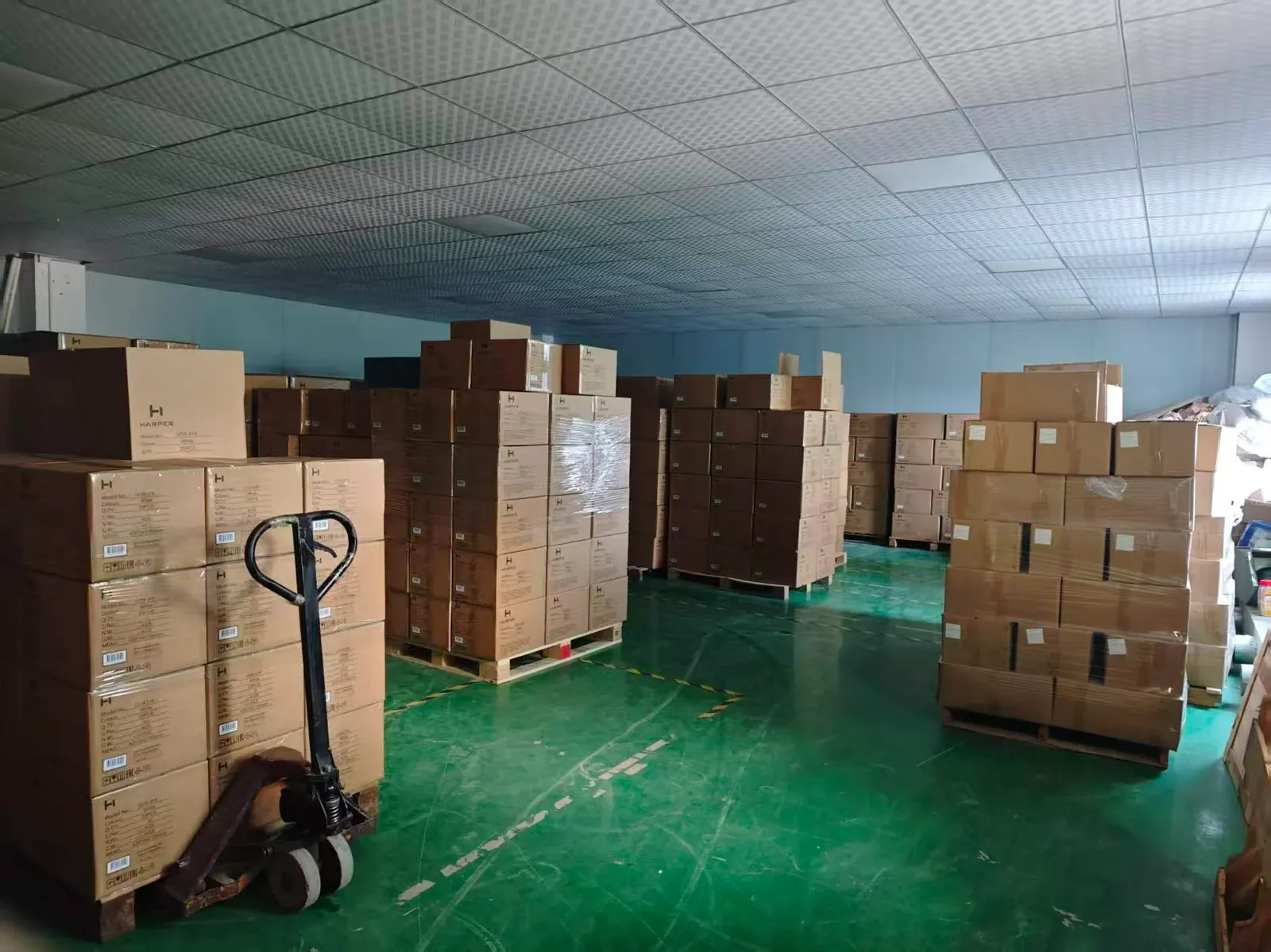
| MOQ | From 200 pcs per model — sized for a single property or a refurbishment phase |
| Lead time | 5-6 semanas até a primeira produção |
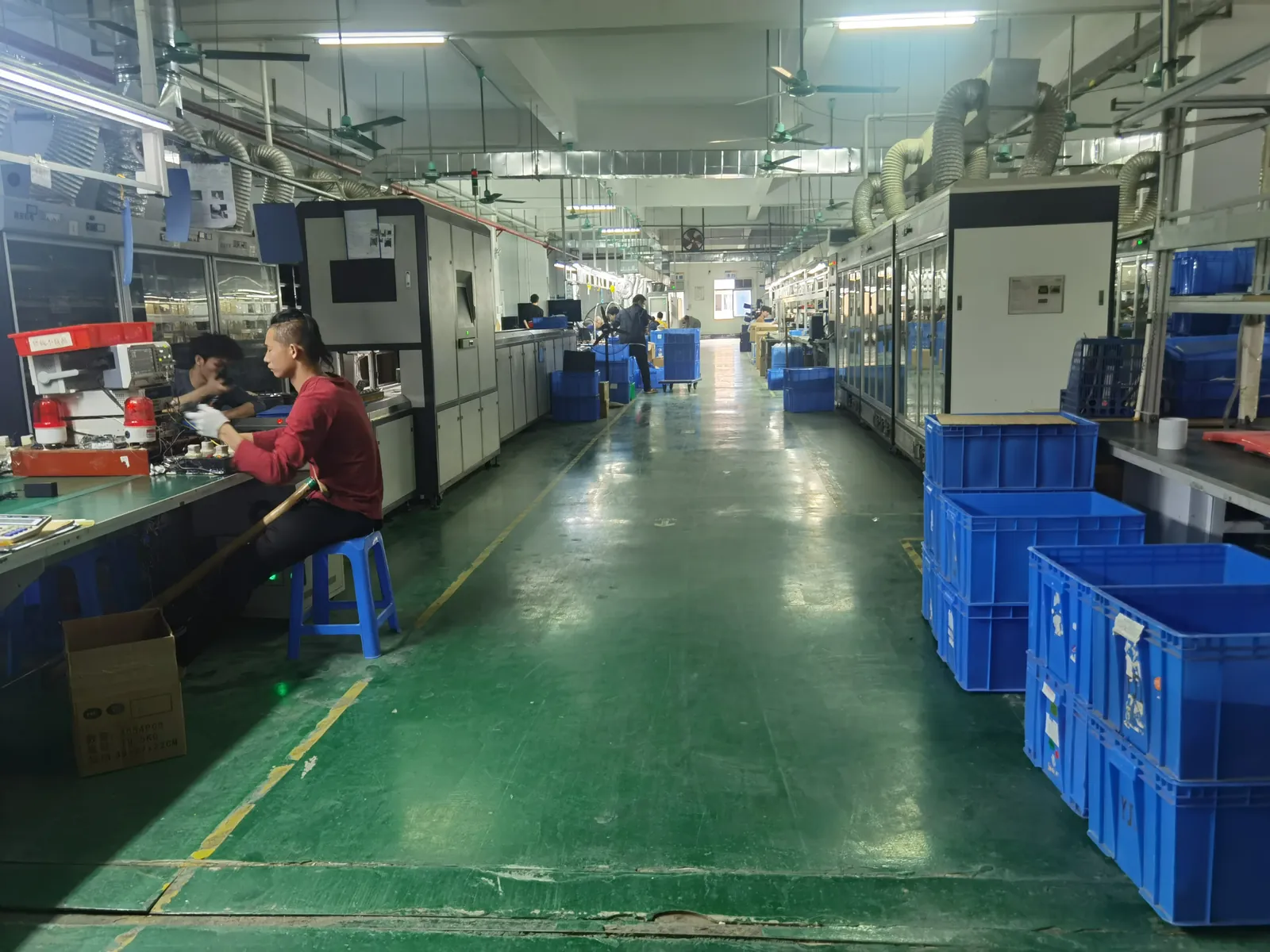
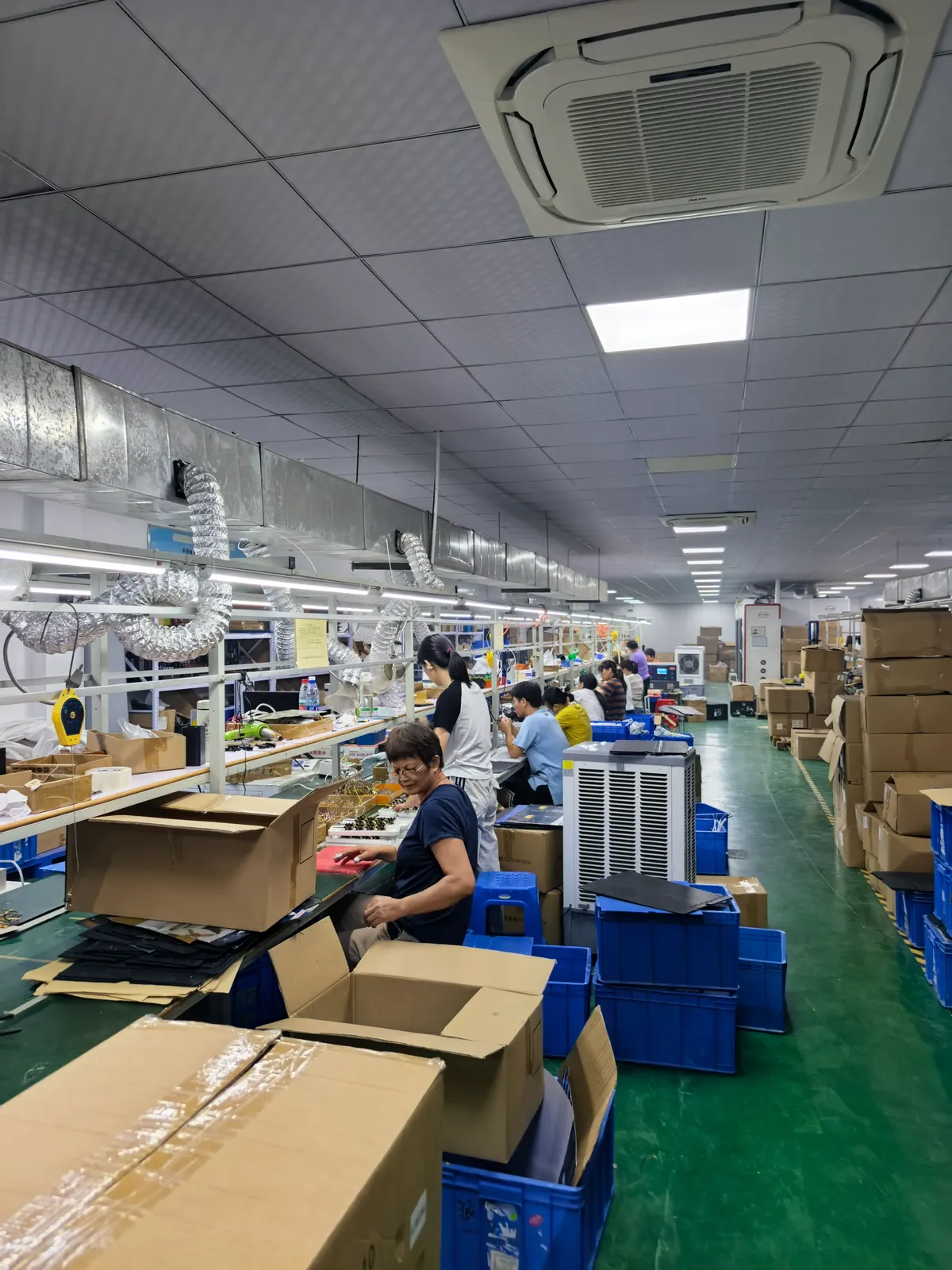
| Capacidade | Até 150.000 unidades/mês em 4 linhas |
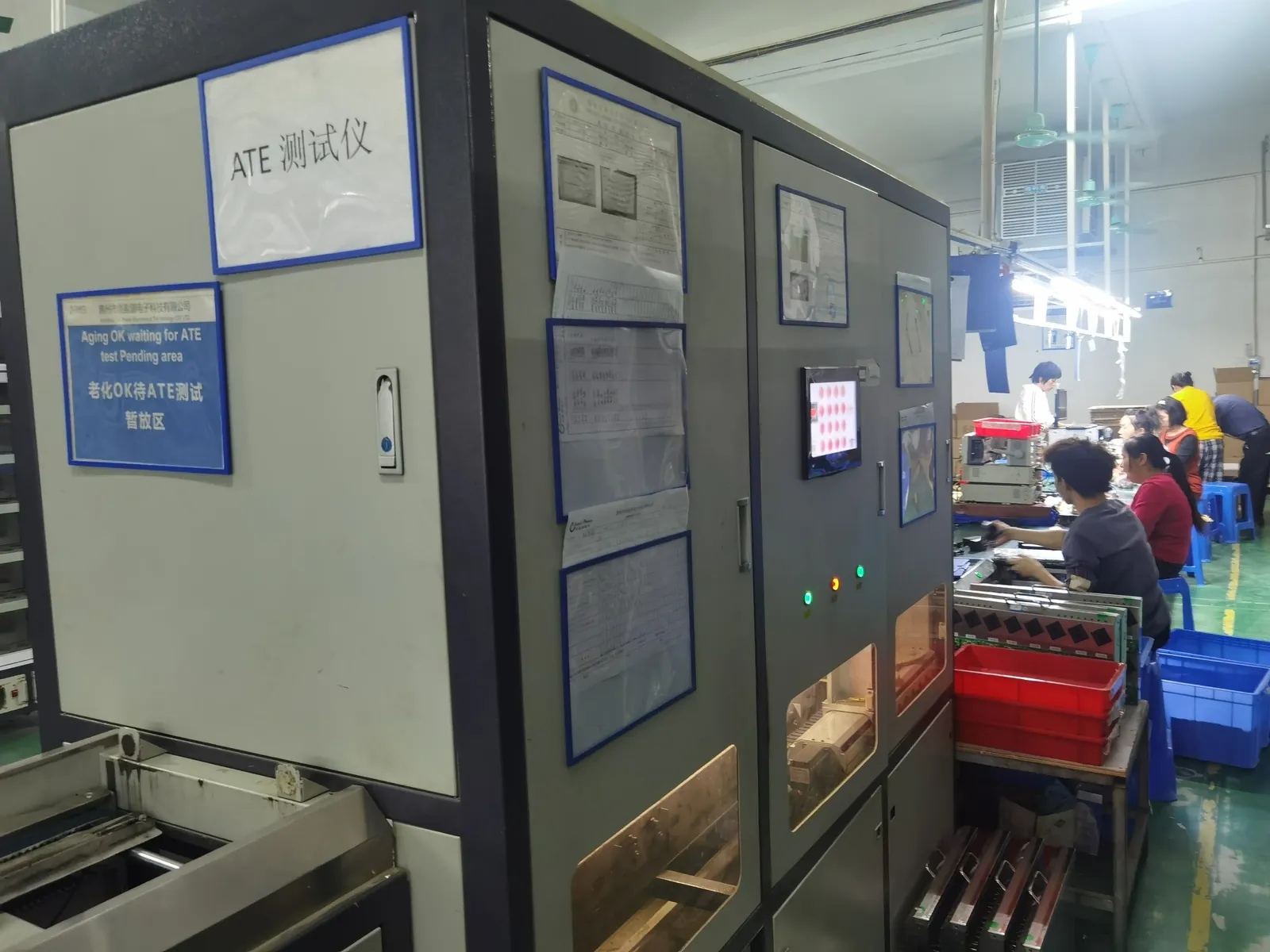
| Quality | ISO 9001; 100% inspection before shipment |
| Certificados | CE / CB / FCC / ISO 9001 |
| Repeat supply | Same tooling retained for repeat and spare-part orders |
Ask any supplier specifically about spare parts and repeat runs. Rooms are refurbished in phases, and a programme that cannot reorder the same unit in three years creates a mismatched estate.
What drives cost in a hotel charging programme
- Tool level — modified standard versus a new enclosure; tooling is the single biggest cost step.
- Port count and wattage — a 65W USB-C port costs meaningfully more than a 15W port.
- Wireless charging — adds coil, shielding and certification effort.
- Escopo de certificação — each additional market adds test cost.
- Finish and branding — custom colour matching and logo processes add unit cost but little tooling.
- Volume — unit price falls sharply with quantity; see transparência de custo de fontes.
The OEM process for a hotel programme
- Brief — room types, port mix, wattage, finish, target markets, quantities and phases.
- Tier selection — modified standard, value-add, or full custom enclosure.
- Specification and quote including tooling where applicable.
- Construção da amostra for sign-off by design and engineering.
- Compliance testing for the target markets.
- Pilot batch, typically installed in a mock-up room first.
- Production and phased delivery aligned to the refurbishment schedule.
For the wider custom-adapter process, see engenharia de adaptadores fora do padrão, and for multi-socket formats see custom power strip manufacturing.
Frequently asked questions about hotel custom charging solutions
What charging should a hotel room have in 2026?
USB-C at 30W or more at the bedside and desk, plus at least one USB-A and an accessible mains socket. Two to four ports is the normal brief for a standard room.
Why not just buy retail chargers in bulk?
They are not built for the duty cycle. Cord and housing failures, missing units, discontinued models and no spare-part supply make retail more expensive over a 5–10 year room life.
Do we need 65W or 100W USB-C?
65W at the desk covers most laptops; 100W suits executive rooms and suites. Bedside ports of 20–30W are enough for phones and tablets.
Is wireless charging worth specifying?
It is increasingly expected on mid and upper tiers. It adds coil, shielding and certification cost, so weigh it against your room grade.
What safety certification should we require?
IEC/EN 62368-1 as the safety baseline, plus CE/UKCA, FCC and any local mark for your markets, and a flame-retardant enclosure rating confirmed by your specifier.
How do we stop chargers going missing?
Specify fixed or captive units, security fasteners, and reinforced strain relief. Loose portable bricks are the ones that disappear.
What MOQ applies to a custom hotel charger?
A partir de 200 unidades por modelo at Paiyi Power, which suits a single property or one refurbishment phase.
Can we reorder the same unit years later?
Yes, that is the point of a tooling-based programme. Confirm tooling retention and spare-part availability in writing before you commit.
How long does a custom programme take?
5-6 semanas até a primeira produção after sample sign-off, with samples ahead of that. Allow more time if a new enclosure is tooled.
Fontes
- IEC 62368-1 — safety of IT and audio/video equipment
- USB-IF - Especificações USB Power Delivery
- Departamento de Energia dos EUA - eficiência de fontes externas (Nível VI)
- Comissão Europeia - Ecodesign / ErP para fontes externas
- ISO - Sistemas de gestão da qualidade ISO 9001