Power Adapter Cost Transparency: Why 500, 5,000 and 50,000 Units Price Differently
Published: September 2026
Reading time: 7 min
Audience: OEM brands, buyers, and product teams budgeting custom power adapters and chargers at mid volume
By Han — Paiyi Power, a power adapter manufacturer and OEM/ODM factory that quotes custom projects from the bill of materials, with MOQ from 200 pcs.
Last updated: 7 September 2026.
Contents
Direct answer: is power adapter cost linear with quantity?
No. The power adapter cost of a custom unit is not a straight line with quantity. Below about 500 pcs, one-time setup and tooling are spread over few units, so each costs more. The 500–5,000 band is where mid-batch custom becomes economical. At 5,000–50,000, volume pricing kicks in. Above 50,000, a big OEM’s scale usually wins. Paiyi Power opens custom projects from 200 pcs and quotes from the bill of materials, so you can see exactly what moves the price instead of receiving a single opaque number.
What actually makes up a power adapter’s unit cost
Bill of materials (BOM)
The components — transformer, GaN/silicon switch, capacitors, enclosure, connector — are the largest recurring part of the power adapter cost. A transparent quote names these parts, not a vague “standard build.”
Tooling and NRE (one-time)
Custom enclosure, fixture, and test jig are one-time engineering costs. On a 200-pcs run they weigh heavily per unit; on a 5,000-pcs run they almost disappear. This is the main reason small batches look expensive.
Labor and test
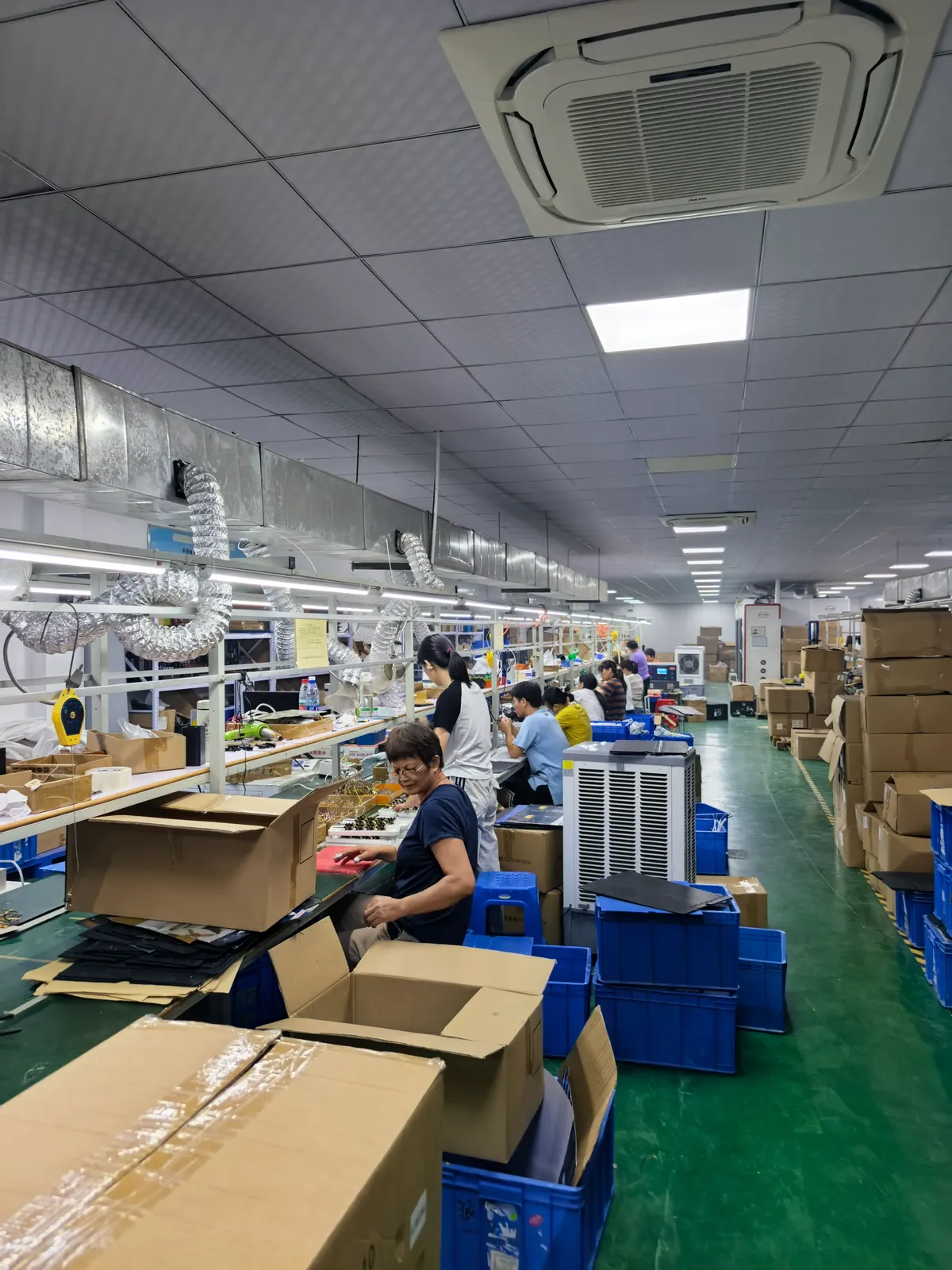
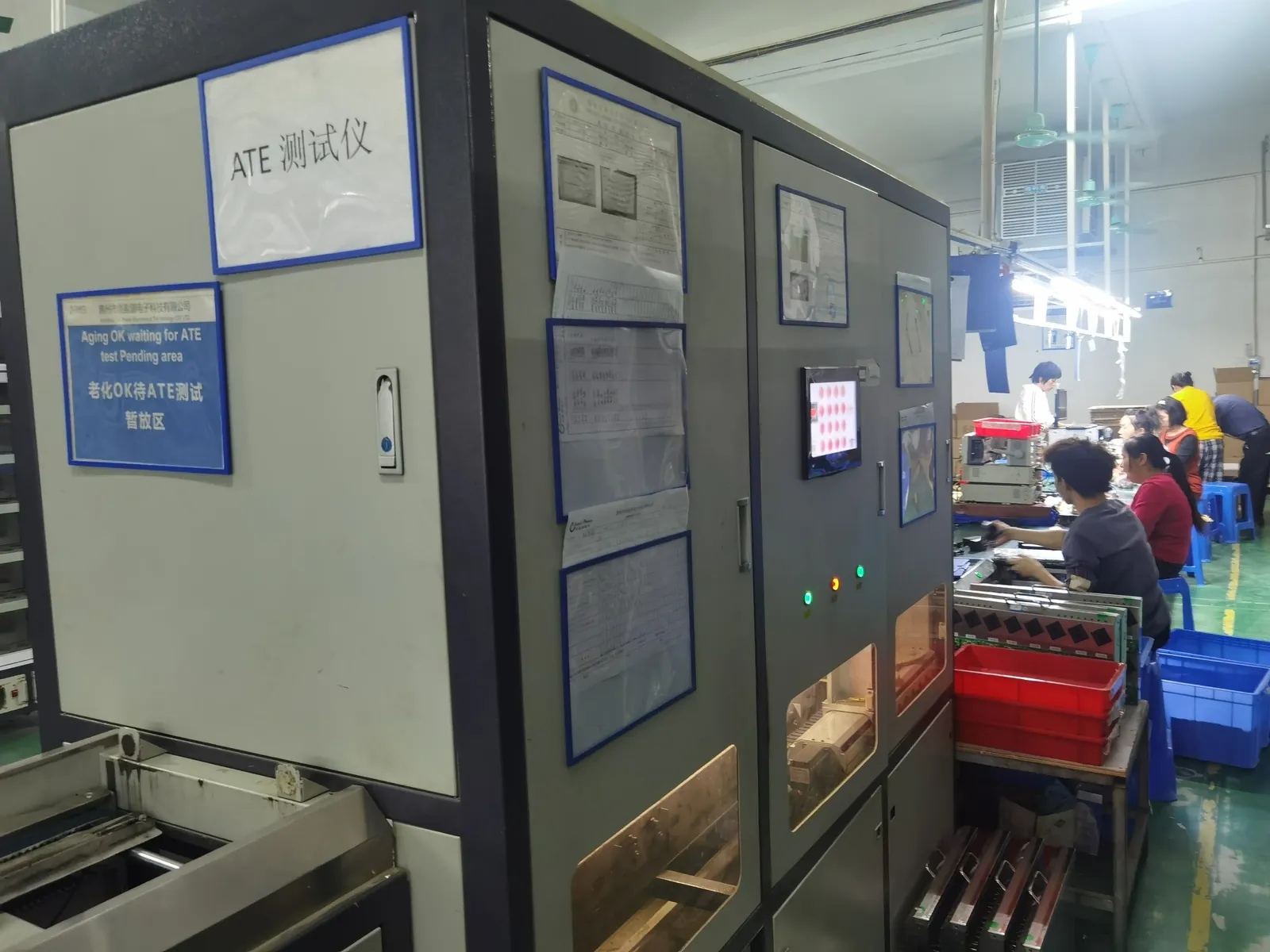
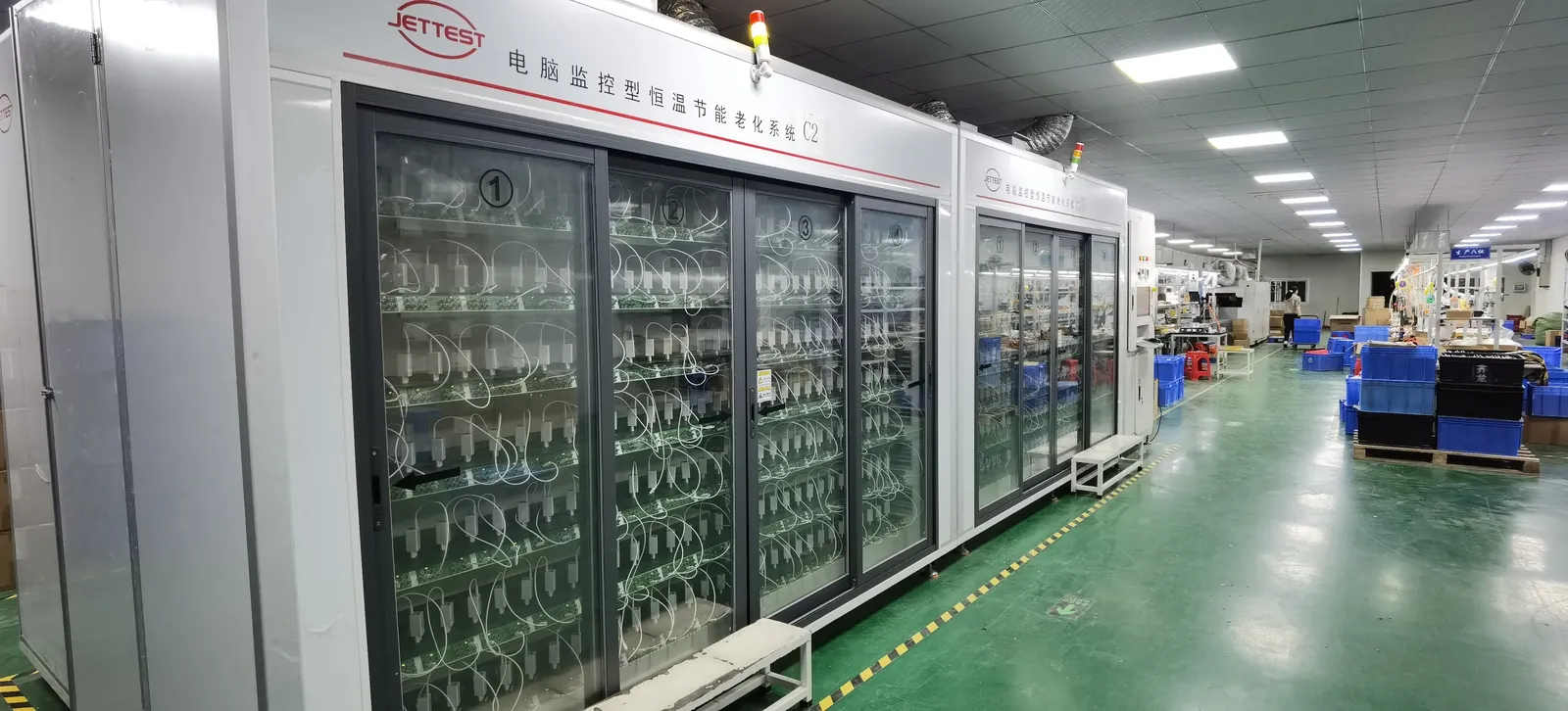
Hand assembly and 100% functional test cost per unit. A factory that tests every unit (Paiyi Power runs ATE functional test and burn-in on every piece) bakes that reliability into the price rather than skipping it.
Certificates and compliance
Safety certification (CE, CB, FCC, and the underlying IEC 62368-1 style standard) is charged per model. A model-specific certificate costs more than a family claim, but it is the one you can actually verify. Efficiency rules (DOE Level VI, EU ErP) also steer component choice and therefore cost.
The 500 → 5K → 50K curve
| Batch size | What dominates cost | Unit-cost trend | Best supplier |
|---|---|---|---|
| Under 500 pcs | Setup / NRE spread thin | Highest per unit | Specialist factory (Paiyi from 200) |
| 500–5,000 pcs | BOM dominates | Mid — sweet spot | Specialist factory |
| 5,000–50,000 pcs | Volume BOM | Lower | Factory or big OEM |
| Over 50,000 pcs | Scale economy | Lowest | Big OEM / large factory |
Why small batches cost more per unit (and why that is fair)
This is the core reason a small-batch power adapter cost looks high: the NRE is real, but the unit count is low. A 200-pcs custom run still needs a custom enclosure tool, a test fixture, and engineering time. Those do not shrink with quantity. Spread over 200 units they add real cost per piece; spread over 20,000 they vanish. The higher small-batch price is not a markup — it is the setup cost doing its job. The fix is not to accept a vague quote but to see the NRE listed separately.
The mid-batch sweet spot (500–5,000)
This is where most SMB custom programs live, and where mid-batch power adapter cost is at its most favorable. The BOM dominates, the NRE is amortized enough to be painless, and you still get direct engineering for non-standard requests. If your annual volume sits here, optimizing the BOM — not chasing OEM-scale pricing you will not hit — is the real cost lever.
Where volume pricing kicks in (5,000–50,000)
Above 5,000 pcs, component volume breaks and line efficiency start to cut the BOM, so the power adapter cost falls into volume territory. This band is contestable between a specialist factory and a big OEM; compare on unit cost, lead time, and how much customisation each will still accept. A factory often stays competitive here because its overhead is lower.
Beyond 50,000: when a big OEM wins
At six-figure annual volume, a big OEM’s scale, component clout, and process maturity usually beat a small factory on unit price. The trade-off is MOQ, NRE sizing, and flexibility. If you are here with a standard product, the OEM is rational; if you are here with a non-standard spec, the factory may still win on the engineering.
How a transparent quote should break down
| Line item | What to check |
|---|---|
| BOM (components) | Named parts, not “standard build” |
| Tooling / NRE | One-time, shown separately or amortized |
| Labor & test | 100% inspection stated |
| Compliance | Cert cost per model, holder named |
| Logistics | Incoterms stated (EXW / FOB / CIF) |
Hidden costs a trader can add
A trader rarely shows you the factory’s BOM. You see one number that bundles an unseen margin on top of a price you cannot audit. That is not fraud — it is how resellers earn — but for a custom program where spec and cost move together, invisible pricing means arguments later. A factory quote from the BOM keeps every line visible, including the difference between a factory and a trader.
Custom vs standard: the non-standard premium
A non-standard request — odd voltage, custom connector, shaped enclosure, wide-temperature sealing — adds NRE and sometimes a pricier BOM. It is a real premium, not a negotiating tactic. The guidance in our non-standard power adapter guide shows which changes are cheap (connector) and which are not (new enclosure tool). Budget the NRE once; after that, the recurring unit cost is mostly BOM.
How Paiyi Power quotes
Paiyi Power is a power adapter manufacturer that quotes the power adapter cost from the BOM with MOQ from 200 pcs, aimed at mid-batch non-standard custom. The figures below are our own factory data, current as of September 2026.
| Item | Paiyi Power |
|---|---|
| Minimum order quantity (MOQ) | 200 pcs per model |
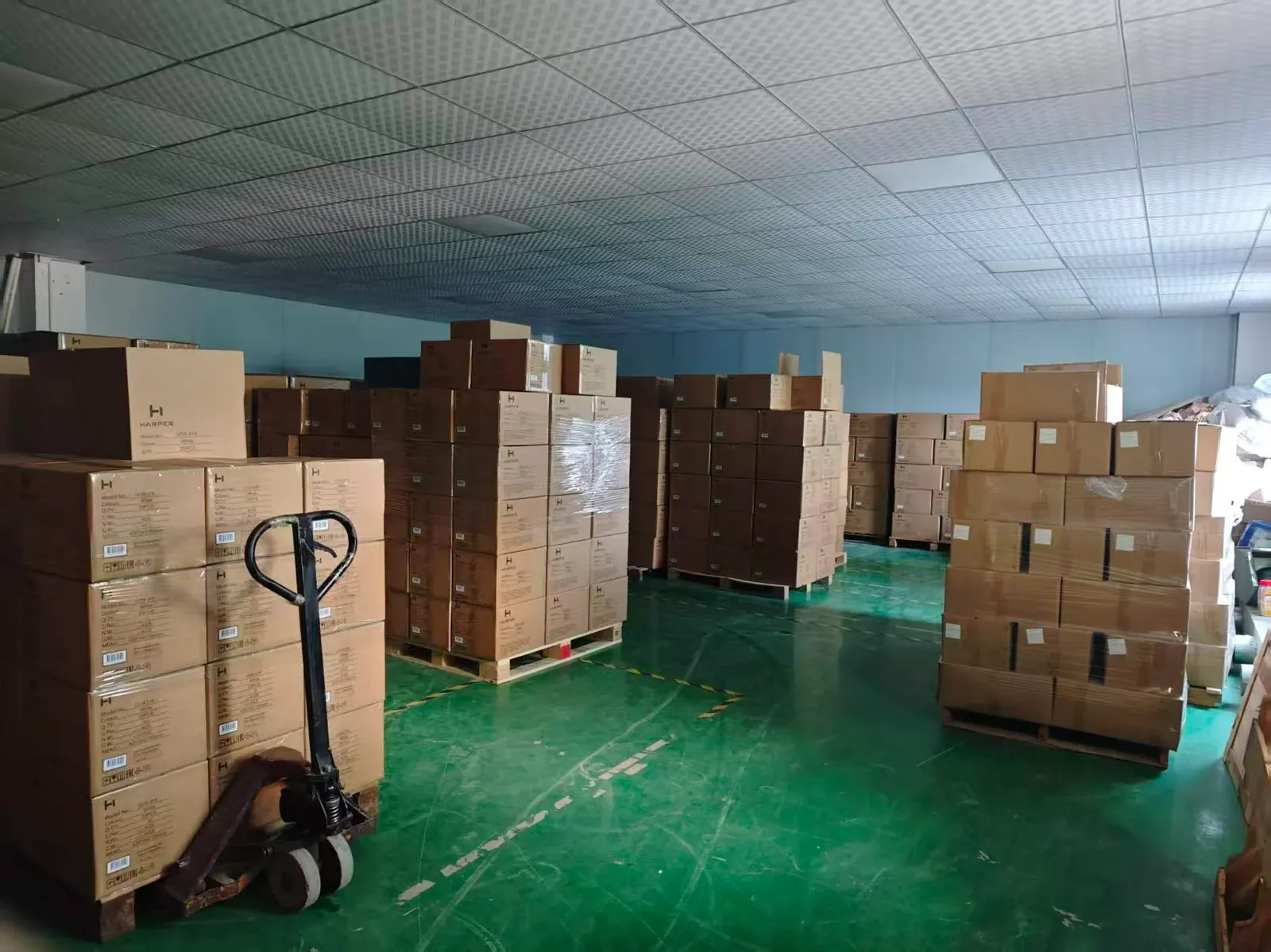
| Monthly capacity | Up to 150,000 pcs |
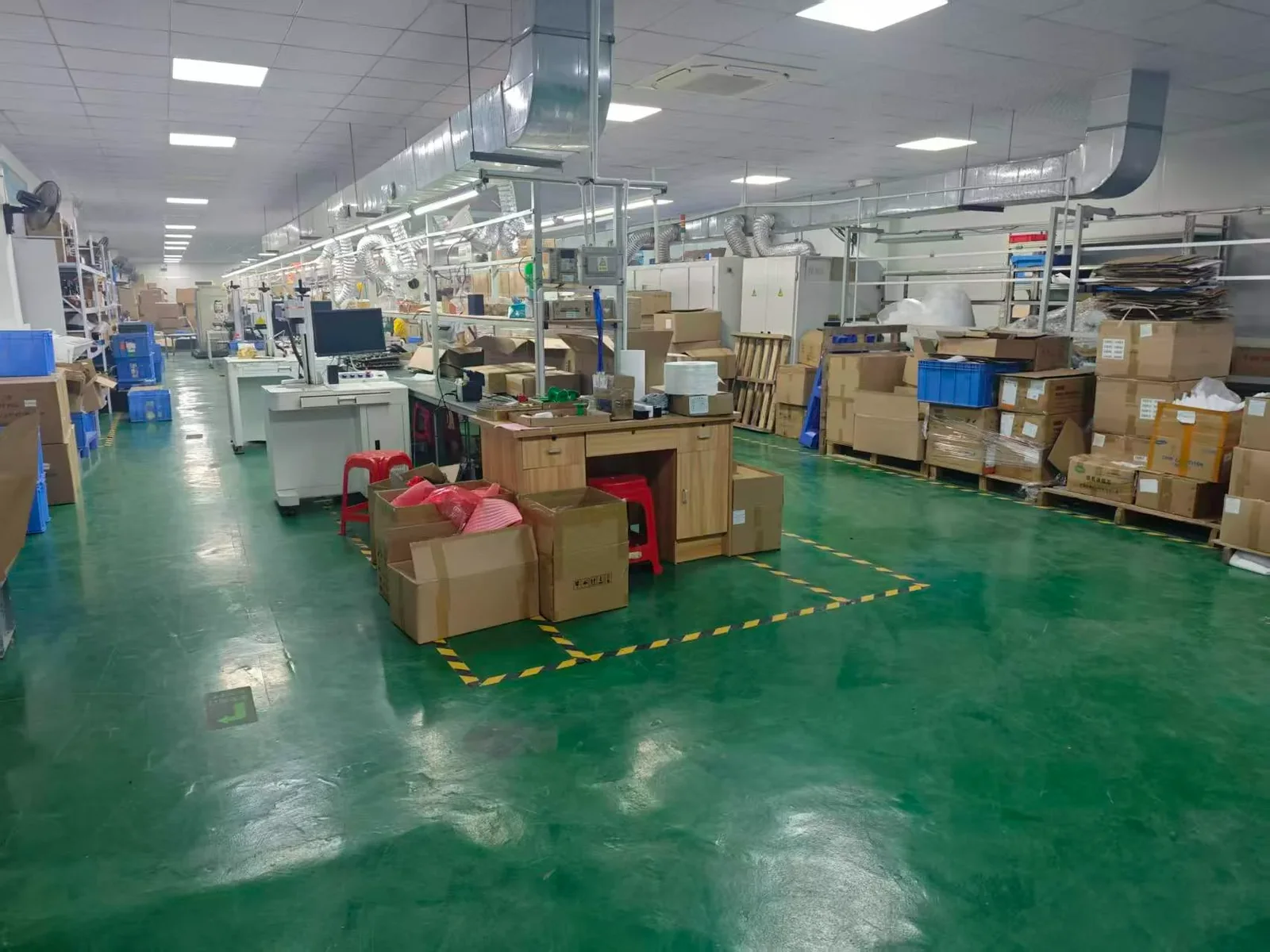
| Production lines | 4 |
| Employees | 50 |
| Lead time | 5–6 weeks |
| Pre-shipment inspection | 100% of units |
| Quality system | ISO 9001 |
| PD 3.2 status | Products designed to the USB PD 3.2 specification, including SPR AVS. Earlier production runs were tested and certified to USB PD 3.1. |
Frequently asked questions about power adapter cost
Why is a 200-pcs run more expensive per unit than 5,000?
One-time setup is spread over fewer units. Tooling, fixtures, and engineering are fixed costs; on a small batch they add more to each piece, which is why the power adapter cost per unit is higher. The BOM itself is similar.
What is a fair MOQ for a custom power adapter?
It depends on the factory. A specialist power adapter manufacturer like Paiyi Power opens custom projects from 200 pcs; large OEMs often start at 10,000+. Traders resell whatever their source factory sets.
What is NRE and do I pay it every order?
NRE is one-time engineering (tooling, fixtures, test setup). You pay it once for a new model; repeat orders of the same model do not recharge it. A transparent quote shows it separately.
Why does a trader quote look cheaper than a factory?
It may not be — you usually see one bundled number. A trader adds margin on a factory price you cannot audit. A factory BOM quote shows every line, so you compare like for like.
Does GaN cost more than silicon?
The GaN switch costs more, but the smaller transformer and heatsink often offset it. At higher volumes the total is frequently comparable, with better efficiency and size as the payoff.
How much does certification add to unit cost?
Certification is mostly a one-time per-model cost, not per unit. CE/CB/FCC and the underlying safety standard are charged when the model is certified; it does not recur on every piece you buy.
Is 100% inspection worth the cost?
For a compliance-sensitive market, yes. Testing every unit (ATE + burn-in + aging) prevents field failures that cost far more than the test. Paiyi Power inspects 100% of units.
When should I move from a factory to a big OEM?
Around 50,000 pcs a year on a standard product. Below that, a specialist factory usually beats an OEM on MOQ, flexibility, and communication; above it, scale economy favors the OEM.
Can I see the BOM before committing?
Yes — that is what a transparent power adapter cost quote is. A real power adapter manufacturer names the key components and the NRE up front; if a supplier refuses, that is a red flag.
Sources
- Incoterms 2020 (ICC) — shipping terms and landed cost
- U.S. DOE — External Power Supply efficiency (Level VI)
- EU Commission — Ecodesign / ErP for external power supplies
- IEC — Power supply safety standards (e.g. IEC 62368-1)
- USB-IF — USB Power Delivery specifications