CCTV Power Supply Brazil: 12V Systems, NBR 14136 and Long Cable Runs
Published: September 2026
Reading time: 10 min
Audience: security and CFTV integrators, camera and recorder brands, distributors and procurement teams specifying power supplies for Brazilian security installations
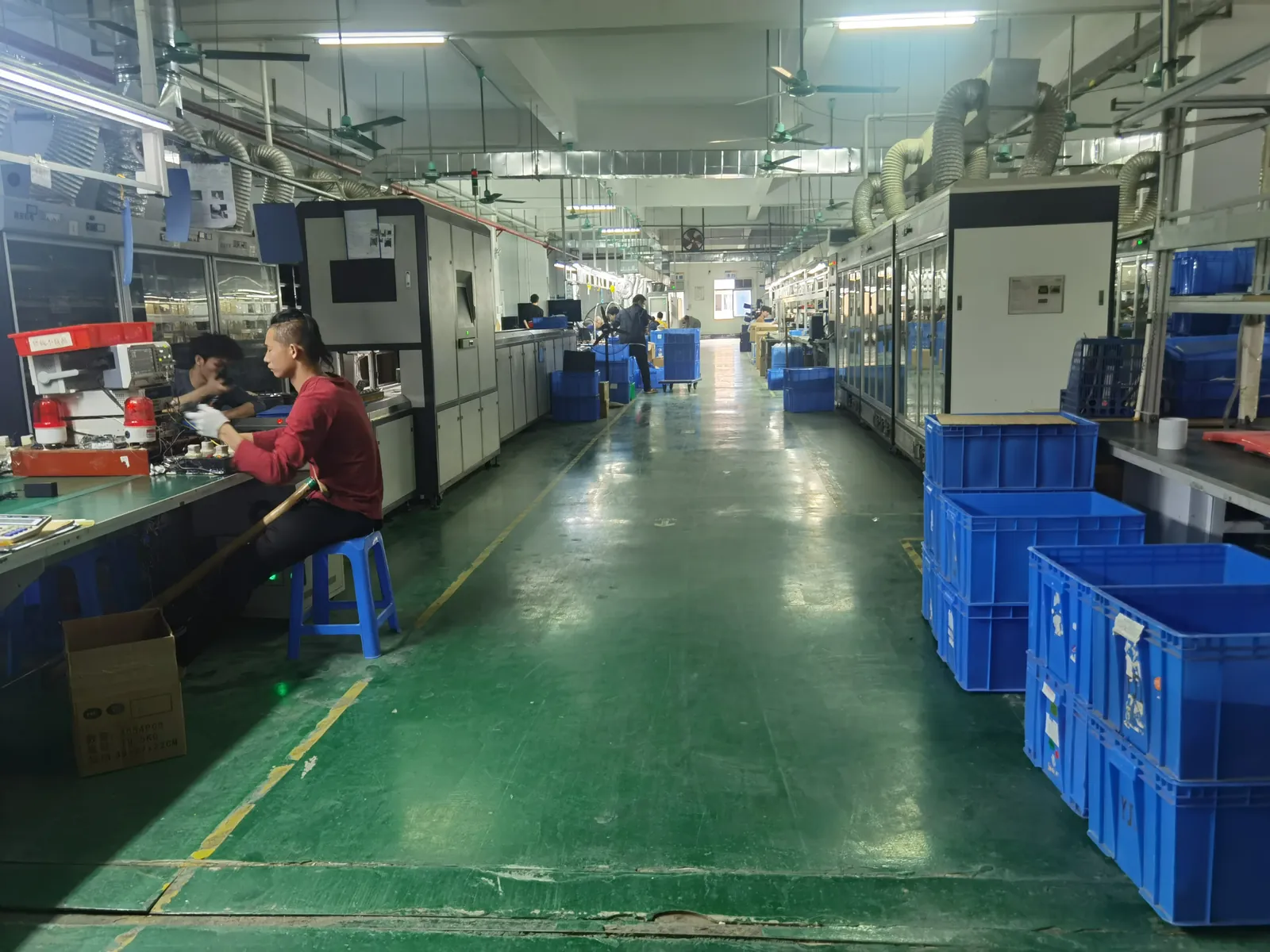
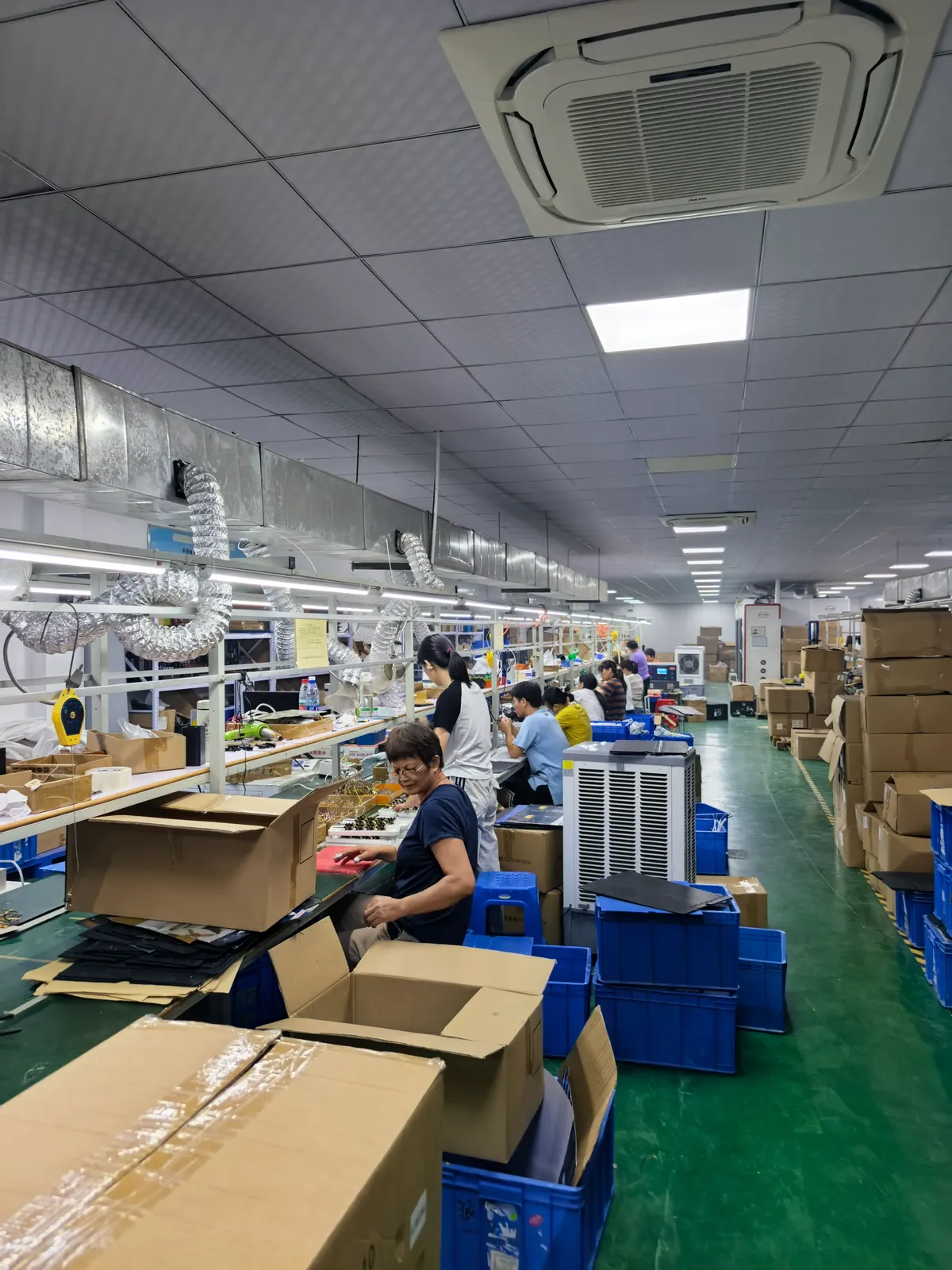
By Han — Paiyi Power, an OEM/ODM power supply manufacturer working with brands and importers on market-access requirements, building custom and modified-standard supplies from 5W to 240W, from 200 pcs per model.
Last updated: 15 September 2026.
Contents
Direct answer: what does a 12V CCTV power supply need in Brazil?
A 12V CCTV power supply for a Brazilian installation needs four things beyond its rating: enough voltage margin to survive long cable runs, an input that covers both 127V and 220V at 60 Hz, an NBR 14136 plug on anything that connects to a Brazilian outlet, and real protection against condensation and surge. Brazil adds two constraints to the global 12V story — a dual-voltage grid and one of the most lightning-active climates on earth.
Most CFTV problems we see are not electronics failures. They are installations where the supply was sized in a laboratory and the cable was run across a warehouse.
This guide covers what to specify for Brazilian security work specifically. For the wider engineering background, see our guide to CCTV camera power supply OEM. At Paiyi Power we build from 200 pcs per model, with samples in about a week and first production in 5–6 weeks after approval.
Why the Brazilian installation is harder than the datasheet
Four characteristics of Brazilian CFTV work push the power supply harder than a typical office installation.
- Long runs are normal. Perimeter walls, warehouses, retail floors and condominium garages put cameras far from the recorder closet, and 12V is unforgiving of distance.
- Two grid voltages coexist. A single national project may touch 127V sites and 220V sites, sometimes in the same city.
- Lightning activity is high. Brazil experiences intense electrical storms, and outdoor runs act as collectors for transients.
- Humidity varies enormously. Coastal installations deal with salt air, while northern and interior regions run hot and humid for much of the year.
Each of these is manageable on its own. The problem is when a single specification tries to ignore all four, and the first maintenance visit arrives six months after installation.
12V, 24V or PoE?
The voltage choice is the architecture decision, and in Brazil it is usually settled by distance and by what is already installed.
| Approach | Where it fits in Brazil | What to watch |
|---|---|---|
| 12V DC | Small installations, short runs, retrofits where the cable already exists | Cable distance is the limiting factor, not camera power |
| 24V DC | Larger commercial and perimeter installations | Halves the current, so drop falls sharply; hardware must match |
| PoE | Where the network cabling is already in place | Needs switch or injector capacity, and its own external supply |
The practical rule for Brazilian work: if the run is longer than roughly fifteen metres at 12V, change the architecture rather than the adapter. Upsizing the supply does not fix a drop that happens in the cable, and this is the most frequent specification error we see.
Voltage drop decides the installation
Voltage drop is a function of current, cable length and copper gauge, and at 12V it consumes a large share of a small supply voltage. For a typical 2 A camera on 18 AWG copper:
| Run (one way) | Drop at 2 A, 18 AWG | Verdict |
|---|---|---|
| 10 m | 0.84 V (7.0%) | Marginal; use a heavier gauge |
| 20 m | 1.68 V (14%) | Out of specification; move to 24V or PoE |
| 30 m | 2.52 V (21%) | The architecture is wrong for 12V |
Indicative values for copper at 20 °C; confirm against your actual cable specification. The industry target is under 5% at the camera. Two consequences follow: write the cable gauge into the installation manual, and for anything beyond about fifteen metres at 12V, change the voltage rather than the adapter.
Sizing for IR and PTZ
The camera’s rated power is a daytime figure. Three loads stack on top of it, and all three behave differently from a steady draw.
- IR illuminators. Night mode adds a few watts and a sharp inrush as the LEDs switch on at dusk. On a shared supply, dozens of cameras switching together form a real step load.
- PTZ motors. Pan, tilt and zoom motors draw several times their running current at start-up, and more if they stall against a limit.
- Heaters and blowers. Outdoor housings in the cooler southern states add a continuous heater load that can exceed the camera’s own draw.
The rule we give customers: sum the continuous draw, add the IR load, add the worst-case motor or heater peak, then add 20–30% headroom. A supply that is correct on average and has no margin will sag at the dusk IR transition — and a brown-out at dusk looks exactly like a firmware bug in the logs.
The Brazilian plug and input voltage
These two requirements are non-negotiable and are often discovered at the port rather than at the design review.
- NBR 14136 plug. Brazil has its own plug standard, with round pins in a national configuration and more than one current class. It is part of the certified configuration of the product, so it cannot be substituted later as a packaging change.
- 127V and 220V both exist. The nominal supply is 60 Hz, and the two common voltages mean a single-voltage product forces a regional stock split that most distributors would rather avoid.
- Wide-range input solves both. A 100–240V input covers the entire country at no meaningful cost, which is why it is the default assumption for any product intended for national distribution.
Treat plug and voltage as design inputs, not as order-entry options. Our guide to importing power supplies into Brazil covers the certification and tax side of the same preparation.
Certification for security equipment
Brazilian market access is a plan, not a checkbox, and the power supply is the part of a CFTV system with the clearest obligation.
- The supply is in the compulsory scope. Power supplies, adapters and chargers are covered by INMETRO’s compulsory certification programme, which means testing and, depending on the scheme, assessment of the manufacturing site.
- The holder must be Brazilian. A Brazilian legal entity holds the certificate, so a foreign manufacturer cannot hold it directly and the question of who holds it becomes a commercial decision.
- Confirm the classification of the rest of the system. Whether the recorder or the camera itself needs separate certification depends on how the product is classified; confirm this with a Brazilian certification body rather than assuming the power supply approval covers the whole system.
- Wireless cameras add a second track. Anything with Wi-Fi or other radio function falls under ANATEL as well, on its own timeline and with its own representative.
We are explicit about our position: we build to the applicable safety and power specifications, and certification status varies by model and market. We do not claim INMETRO or ANATEL approval on every model — the certificate is per model and held by a Brazilian entity. See certification by country for how the schemes differ.
Heat, humidity and coastal air
Brazil’s climate exposes outdoor power supplies to conditions that a European or North American specification often ignores.
- Condensation, not rain. A sealed enclosure still breathes through its cable entry as it heats and cools each day, and the moisture condenses on the coldest surface inside. This is the most common cause of outdoor failures, and no IP rating prevents it.
- Coastal salt air. Coastal installations corrode terminals and fasteners quickly; stainless or properly coated hardware matters more here than in most markets.
- Humid interior regions. Heat and humidity together accelerate capacitor ageing, which is why a 105 °C capacitor rating is worth specifying rather than assumed.
- Fan-cooled units in dusty locations. On a pole or in a garage, a fan pulls in dust and debris until the unit runs hotter than its rating assumes.
For anything mounted outdoors, full encapsulation plus a UV-resistant cable removes most of this risk. We describe the same discipline for exposed equipment in the wider industrial sensor power supply guide.
Surge protection matters more here
Brazil has some of the most intense lightning activity in the world, and CFTV runs are exactly the shape of cabling that collects transients.
- Specify the level, not the word. Ask for the IEC 61000-4-5 test level explicitly rather than the phrase “surge protected”. A number can be verified; an adjective cannot.
- Coordinate with the site’s protection. The supply’s internal protection is the last line of defence. Long outdoor runs still need a proper protective device at the building entry.
- Decide the failure mode. Specify whether the unit should fail open after a large event, and whether that is acceptable for your service model. Some integrators prefer a sacrificial adapter; others need the run to stay live.
- Protect the recorder side too. The supply is not the only equipment on the cable; the recorder input sees the same transient.
In a market where storms are a routine operating condition rather than an exception, surge is a specification line item and not a feature bullet.
Centralised supply or one adapter per camera?
The choice changes the failure mode as much as the cost, and Brazilian installations tend to split by project size.
- One adapter per camera. Simple to replace and easy to fault-find, but it multiplies the number of mains connections and the number of things that can fail.
- Centralised supply. One unit in the recorder closet, with fused or individually protected outputs. Cheaper per camera and easier to monitor, but a single failure affects a group unless outputs are protected separately.
- The recorder closet reality. Whatever the architecture, most Brazilian installations already concentrate equipment in one cabinet, which makes heat and ventilation a real specification rather than an afterthought.
Two habits prevent most of the resulting tickets: protect each output separately so one camera cannot take down a group, and document the output map so the next technician does not have to trace cables under pressure.
Connectors: the quiet failure point
In CFTV the connector causes more field returns than the electronics, and the mistakes are always the same three.
- 2.1 mm versus 2.5 mm inner pin. The two sizes look identical and both will physically mate with the wrong jack, producing intermittent contact and heat. Print the exact size on the drawing and on the label.
- Polarity. Centre-positive is the convention for CFTV but is not universal, and reversed polarity damages equipment immediately.
- Strain relief. Installed cameras have their cables tugged during cleaning, painting and maintenance. A moulded strain relief and a defined bend radius cost cents and prevent the most common intermittent fault.
For permanently installed infrastructure, screw-lock connectors or terminal blocks are worth the small premium over a standard barrel.
What to put in the RFQ
A Brazilian CFTV specification should carry these lines, because omitting them is how a project ends up with a supply that works on the bench and not on the wall.
- Input range and plug. Wide range covering 127V and 220V, with the Brazilian plug configuration named explicitly.
- Output and headroom. Voltage, current, and the margin over simultaneous worst-case load.
- Cable gauge and maximum run. Stated so that the installation is designed, not improvised.
- Environmental rating. Enclosure protection and whether the unit is expected to be potted.
- Surge level. The IEC 61000-4-5 test level, in numbers.
- Certification expectations. Which market the product is for, and who is expected to hold the certificate.
Fix these before tooling. Our sample evaluation checklist and the OEM agreement guide exist precisely so that what is certified is what is shipped.
Commissioning: what to verify before handover
Brazilian installations are usually accepted on the day of handover, so the checks that matter are the ones that can be run on site with basic tools. Five of them catch almost everything.
- Measure at the camera, not at the supply. Voltage at the far end under load is the reading that matters; checking it at the closet proves nothing about what the camera receives.
- Watch the dusk transition. Observe a camera switching to night mode and confirm the supply holds. The IR switch-on is the load event that exposes a thin margin.
- Confirm the plug and the label. The installed unit should match the certified configuration, including the plug and the nameplate marking, before anything leaves the site.
- Record the output map. Which output feeds which camera, with the cable gauge and the run length, so the next technician does not have to trace cables under pressure.
- Note the environment. Photograph the mounting position and the enclosure, so a future failure can be judged against the conditions the unit actually faced rather than the conditions everyone assumed.
None of this takes long, and all of it is cheaper than a return visit to a site two hundred kilometres away.
CCTV power supply Brazil specification table
| Parameter | Typical for Brazilian CFTV installations | Note |
|---|---|---|
| Output | 12V DC 1–2 A per camera; 24V for long runs | 24V roughly quarters the drop of 12V |
| Input | Wide range covering 127V and 220V, 60 Hz | Both voltages exist nationally |
| Plug | NBR 14136 | Part of the certified configuration |
| Sizing | Continuous plus IR plus peak, plus 20–30% | Dusk IR transition is the real test |
| Voltage drop | Under 5% at the camera | State the cable gauge in the manual |
| Environment | Condensation protection; coastal hardware | Humidity, not rainfall, is the usual killer |
| Surge | IEC 61000-4-5 with the level declared | Lightning activity here is among the world’s highest |
| Certification | INMETRO for the supply; ANATEL if radio function exists | Brazilian entity holds the certificate |
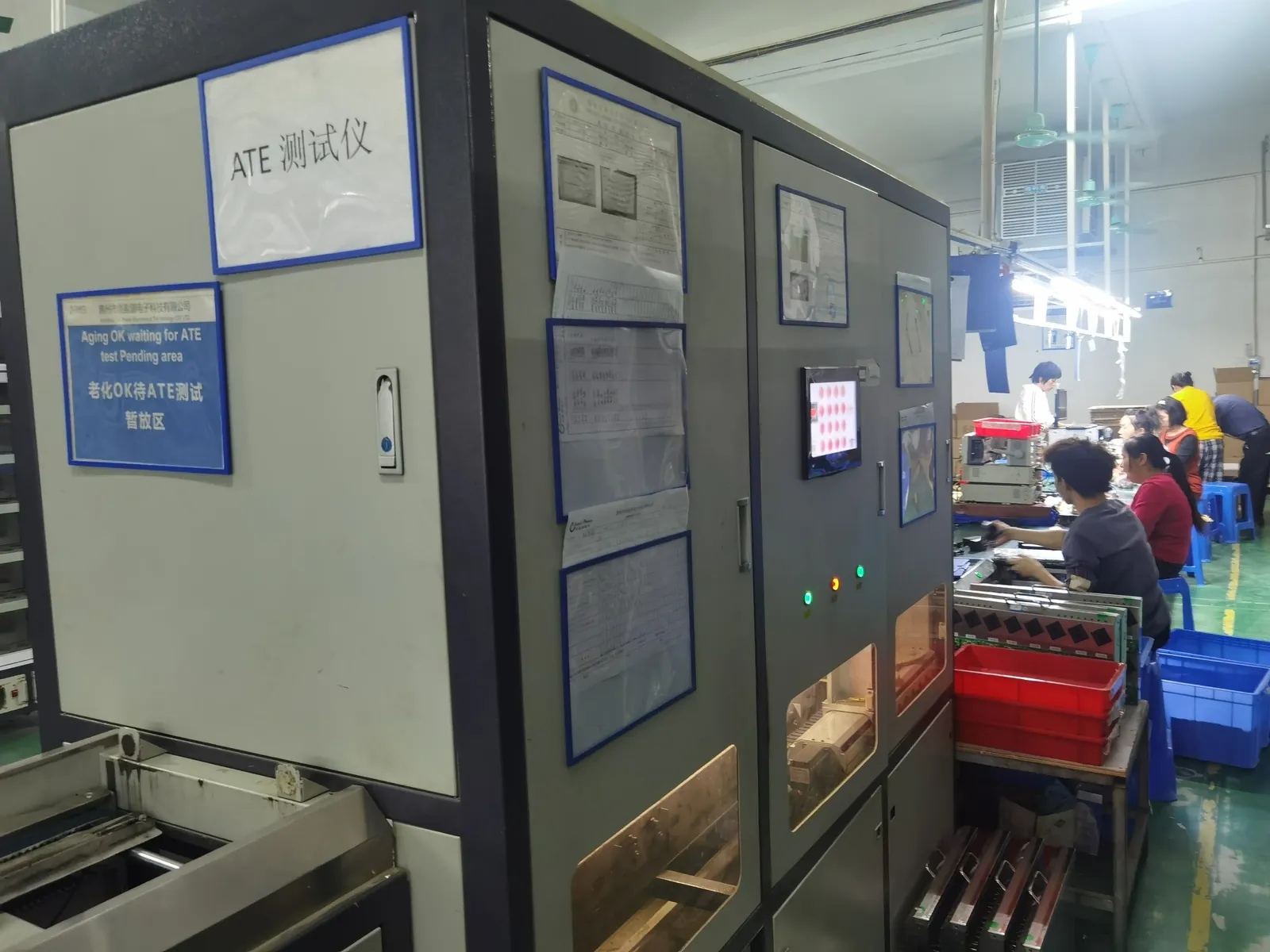
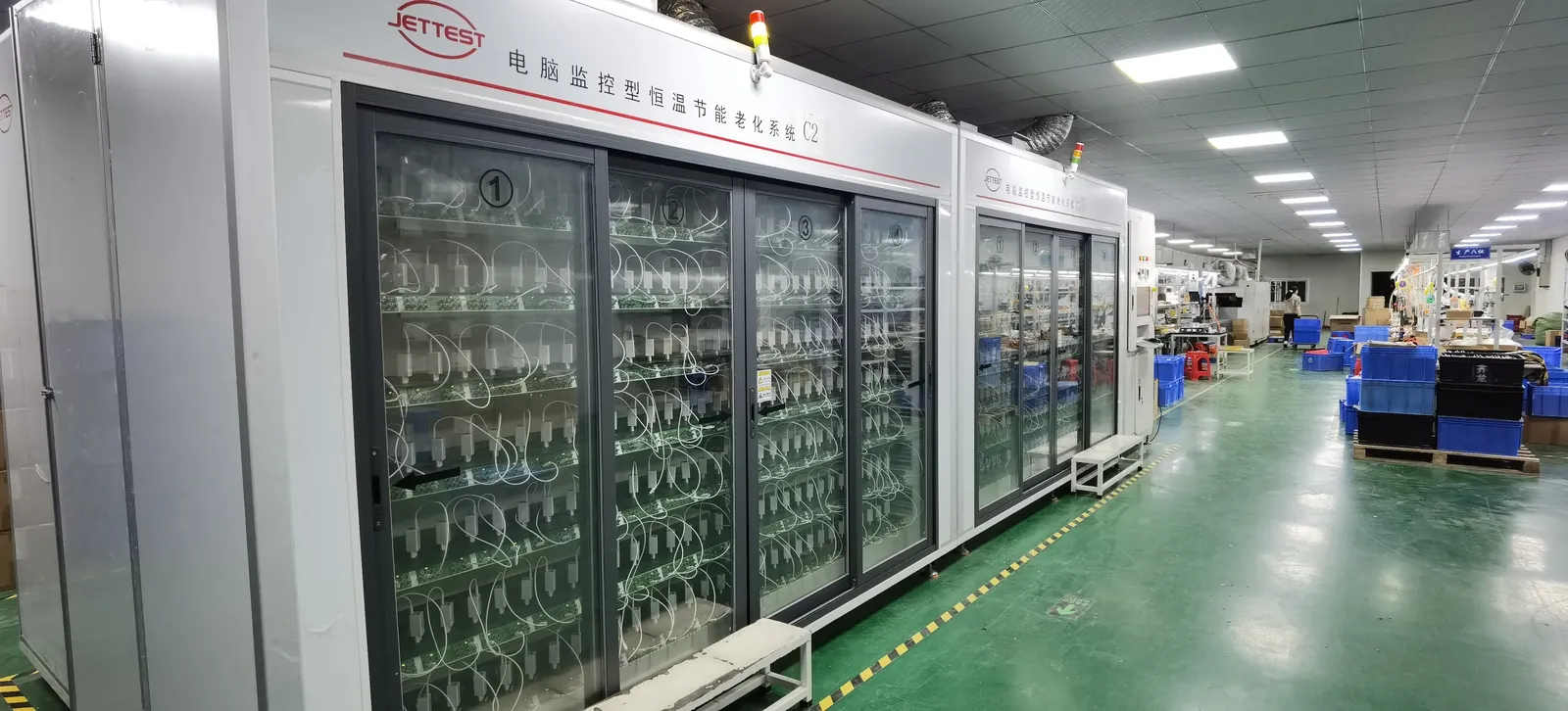
| Reliability | 100% ATE + burn-in; written change control | Fleets outlive product cycles |
Frequently asked questions
What voltage should a CCTV power supply use in Brazil?
12V DC remains the default for small and retrofit installations, but 24V is the better choice for anything with long cable runs. Doubling the voltage halves the current and reduces drop dramatically, which matters far more than the supply’s rating.
How long can a 12V cable run be?
Roughly ten to fifteen metres before drop exceeds 5% at typical camera currents on standard gauge. Beyond that, change to 24V or PoE rather than buying a bigger 12V adapter, because upsizing does not fix a drop that happens in the cable.
What plug does Brazil use for CCTV equipment?
NBR 14136, the Brazilian plug standard. It uses round pins in a national configuration and comes in more than one current class, and it forms part of the product’s certified configuration so it cannot be changed after certification.
Does a CCTV power supply need INMETRO certification?
Power supplies and adapters are inside INMETRO’s compulsory certification scope. Confirm the classification of the recorder and camera separately, and note that a Brazilian legal entity must hold the certificate.
Do wireless cameras need ANATEL approval?
Yes — anything with Wi-Fi or other radio function falls under ANATEL as well as INMETRO. It runs on its own timeline and requires its own Brazilian representative, so wireless variants should be planned on the longer path.
How do I stop outdoor adapters failing in the rainy season?
Design against condensation rather than rainfall. A sealed enclosure still breathes through its cable entry as it cycles daily, so potting, a correctly sized cable gland and UV-resistant cable remove most of the risk.
Why does the camera reboot every evening?
Almost always voltage drop plus the IR load switching on at dusk. Check the cable gauge and run length first, then confirm the supply has 20–30% headroom over the combined worst-case load.
One supply for the whole system, or one per camera?
Centralised is cheaper per camera and easier to monitor; per-camera is easier to fault-find. Whichever you choose, protect each output separately so one camera cannot take down a group, and document the output map.
What MOQ and lead time apply for Brazilian CFTV programmes?
From 200 pcs per model at Paiyi Power, with samples in about a week and first production 5–6 weeks after sample approval. Certification status varies by model and market, and we do not claim INMETRO or ANATEL approval for every model — the Brazilian certificate is per model and held by a Brazilian entity.
Free tool: check your own numbers before the next site visit.
Sources
- INMETRO — compulsory certification and conformity assessment in Brazil
- ABNT — Brazilian standards, including the NBR 14136 plug standard
- ANATEL — homologation for equipment with radio or telecom function
- IEC — 62368-1 safety and 61000-4-5 surge immunity standards
- INPE — Brazilian monitoring of atmospheric electricity and lightning activity
Related on this blog: CCTV camera power supply OEM, importing power supplies into Brazil, power adapter certification by country, industrial sensor power supply adapter.