Industrial Power Supply Applications: BMS, Robotics, Medical
Published: September 2026
Reading time: 8 min
Audience: Engineers and buyers specifying power supplies for BMS, robotics, medical and other niche industrial equipment
By Han — Paiyi Power, an industrial power supply manufacturer building non-standard custom supplies for niche B2B applications from 200 pcs.
Last updated: 7 September 2026.
Contents
Direct answer: when do you need a custom industrial power supply?
A standard wall adapter rarely fits a niche industrial job. Four segments push custom power supplies hardest: BMS and energy storage (high efficiency, thermal headroom), robotics and AGV (compact, low heat, duty cycle), rail and transit (wide temperature, shock, long life), and ATEX hazardous-area equipment (intrinsically safe, certified). Each needs non-standard engineering that a specialist industrial power supply factory handles. Paiyi Power builds these from 200 pcs with 100% inspection.
Why off-the-shelf adapters fail in industry
One voltage does not fit all
A consumer adapter ships one output at one current. Industrial equipment often needs 24V, 36V, 48V or a shaped rail voltage, plus a specific connector. Off-the-shelf simply does not come in those combinations.
Environment kills generic parts
Sealed enclosures, wide temperatures, vibration, and explosive atmospheres are normal in industry and fatal to a plastic brick rated for a living room. The supply has to be designed for where it lives.
BMS and energy storage
What the supply must do
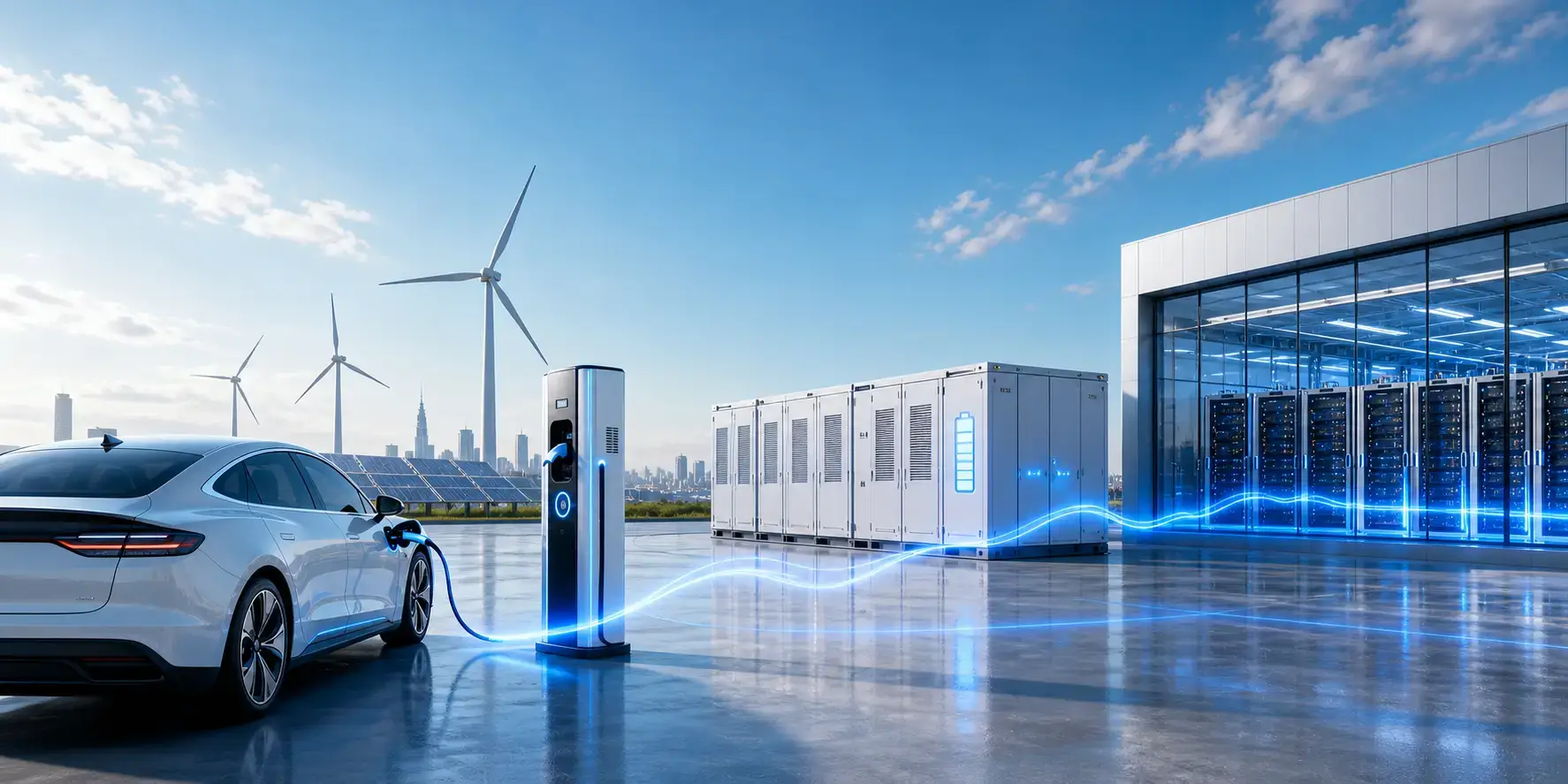
A battery management system needs a stable, efficient charge and conversion stage that does not cook the pack. Efficiency here is safety: wasted heat is heat inside the enclosure.
Efficiency and thermal
This is where a GaN-based industrial power supply earns its place — higher efficiency means less heat to manage in a dense BMS. For the GaN angle, see our guide to GaN power adapters beyond phone chargers.
Robotics and AGV
Space and heat
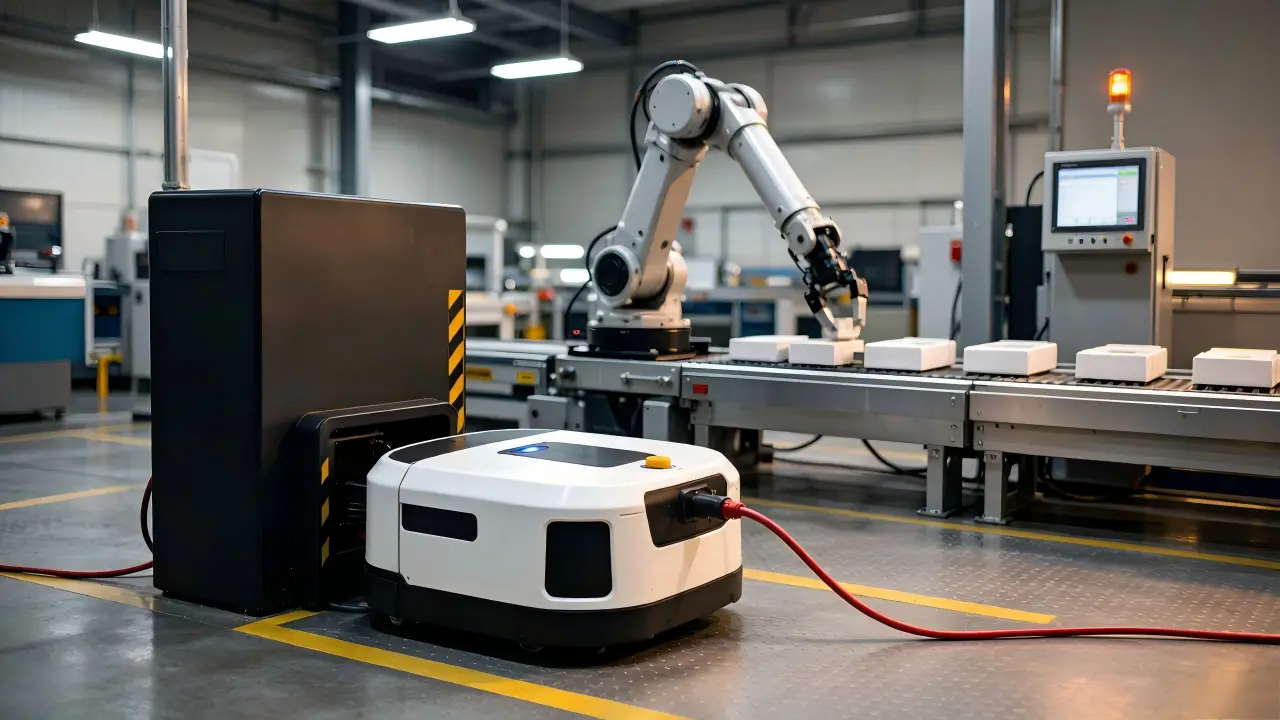
A robot or AGV has almost no room for a fan or a heatsink. A compact, cool industrial power supply is the difference between a body that runs and one that thermally trips.
Vibration and duty cycle
Mobile equipment runs a continuous duty cycle under vibration. The supply needs conformal coating, strain relief, and a thermal margin a phone charger never needed.
Rail and transit
Wide temperature and shock
Rail equipment sees −40°C to +70°C, constant vibration, and electrical noise. A supply rated only for an office will fail on a trackside cabinet.
Long life and certification
Transit programs run for decades, so component grade and certification (rail-grade standards such as EN 50155 thinking, plus safety certification) matter more than unit price. The supply is specified once and expected to last. Paiyi Power does not currently offer EN 50155-certified supplies.
ATEX and hazardous areas
What intrinsically safe means
In a flammable-gas or dust atmosphere, a tiny spark is an explosion. An ATEX-rated industrial power supply is designed so it cannot release enough energy to ignite the atmosphere — through limited power, sealed construction, and certified barriers.
Certification reality
ATEX is governed by Directive (EU) 2014/34/EU and the IEC 60079 series for explosive atmospheres. It is a real, model-specific certification — not something you can claim across a product family. Paiyi Power does not currently offer ATEX-certified supplies, and we would rather say so plainly than ship a vague “ATEX-ready” claim.
Medical and laboratory
Medical devices need low leakage current and isolated designs specified per application. The supply is small and quiet, but the isolation and safety margin are strict. As with every niche, the certificate names the model, not the family.

Application fit at a glance
| Niche | What drives the design | Paiyi builds |
|---|---|---|
| BMS / energy storage | Efficiency, thermal headroom | Yes |
| Robotics / AGV | Compact, low heat, duty cycle | Yes |
| Rail / transit | Wide-temp, shock, long life | Not our scope |
| ATEX hazardous area | Intrinsically safe, certified | Not our scope |
| Medical / lab | Low leakage, isolated | Yes (design-to spec) |
How a niche industrial power supply is engineered
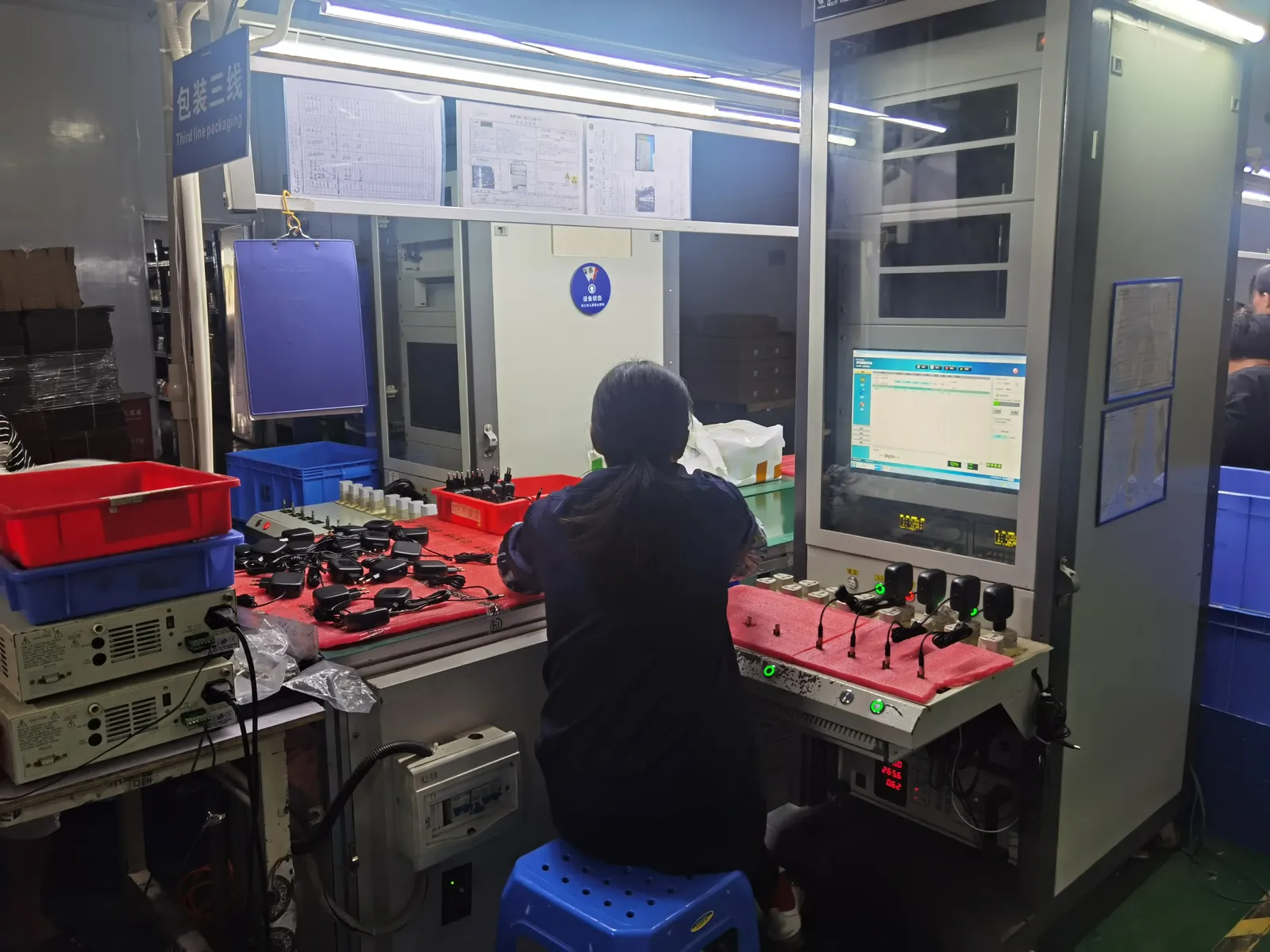
The path is the same non-standard process we use for every custom supply: a spec (input, output, environment, cert), a schematic and enclosure design, a prototype, then burn-in and functional test before release. Because the engineers are in-house, a revised sample returns fast. For the engineering detail, see our guide to non-standard power adapter design.
Red flags when sourcing niche supplies
- A supplier that quotes a hazardous-area supply with no ATEX/IEC 60079 certificate plan.
- “Wide temperature” stated with no specified range or test.
- A family certificate presented as covering your exact model.
- Reluctance to name the standard (EN 50155, IEC 60079, IEC 62368-1) your niche requires.
Paiyi Power capability profile
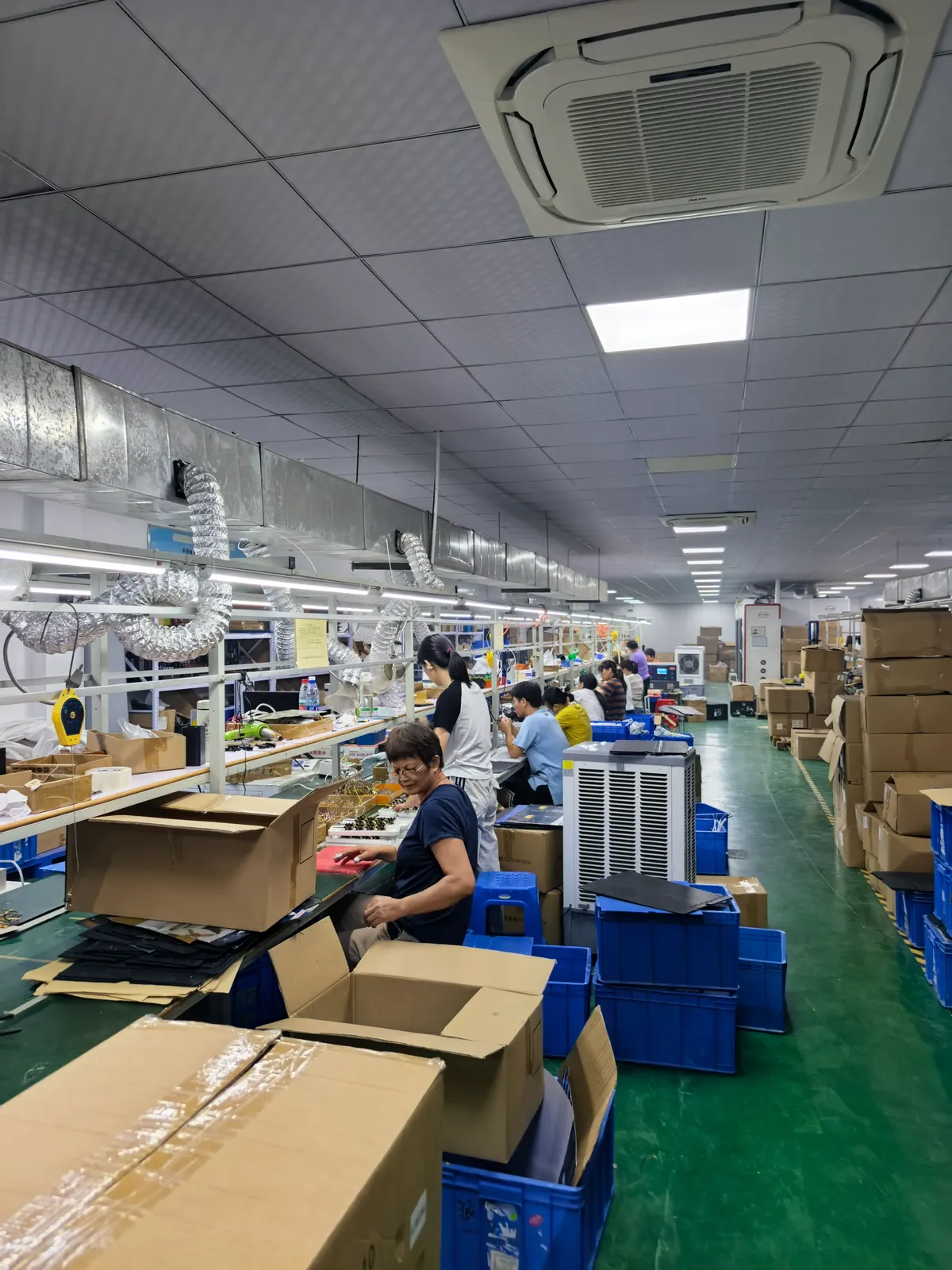
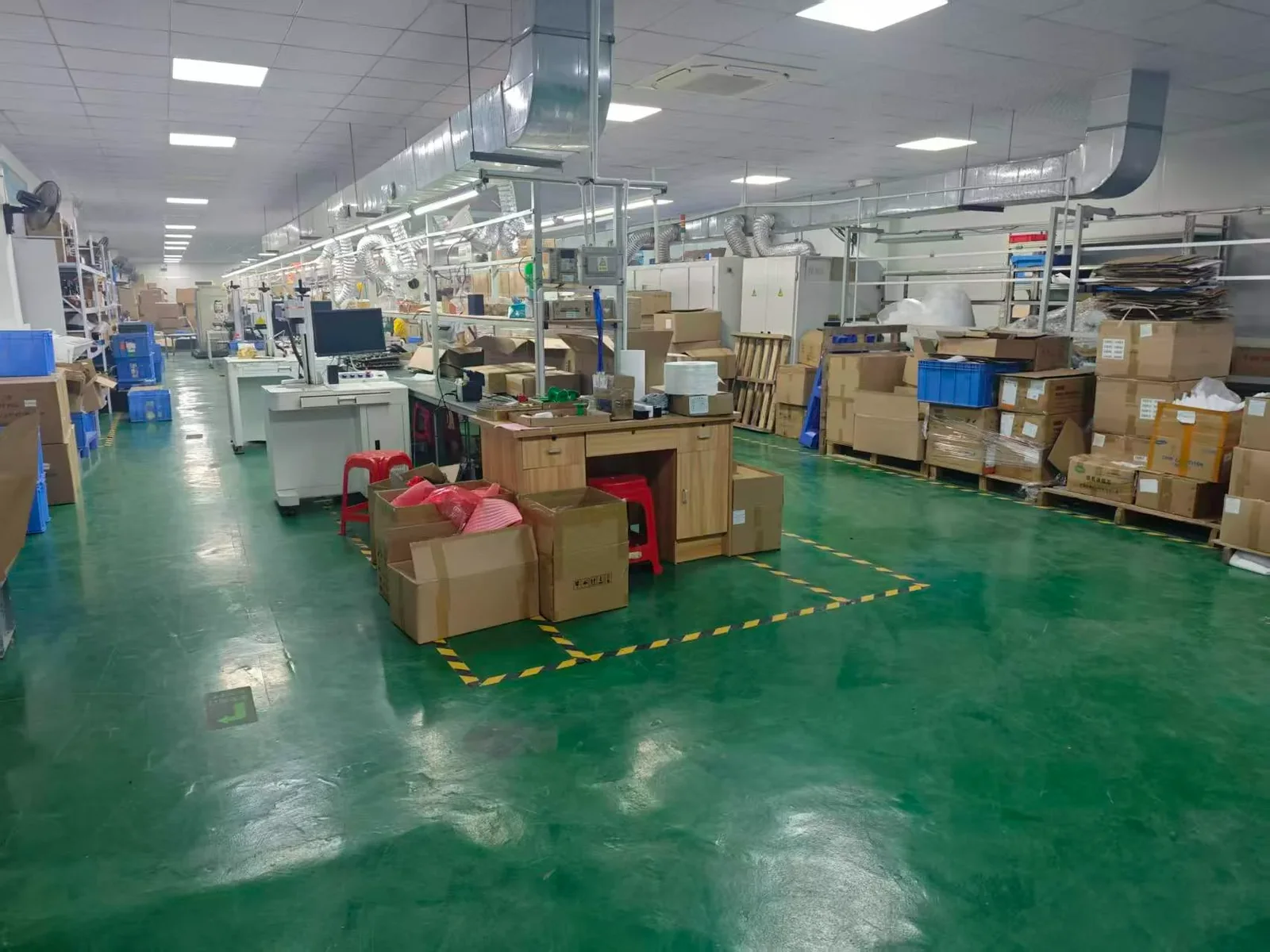
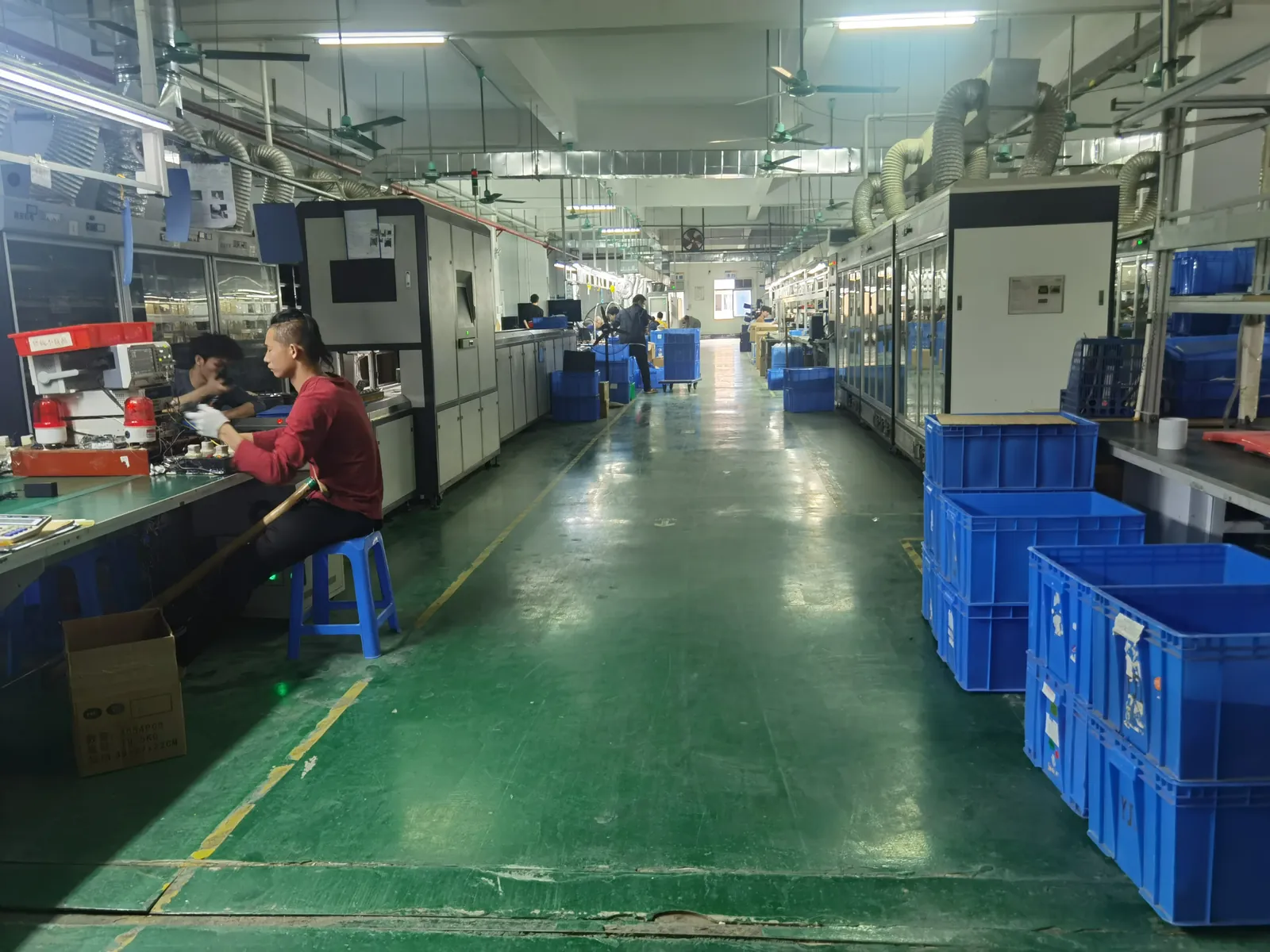
Paiyi Power is an industrial power supply manufacturer for niche B2B applications, with MOQ from 200 pcs. The figures below are our own factory data, current as of September 2026.
| Item | Paiyi Power |
|---|---|
| Minimum order quantity (MOQ) | 200 pcs per model |
| Monthly capacity | Up to 150,000 pcs |
| Production lines | 4 |
| Employees | 50 |
| Lead time | 5–6 weeks |
| Pre-shipment inspection | 100% of units |
| Quality system | ISO 9001 |
| PD 3.2 status | Products designed to the USB PD 3.2 specification, including SPR AVS. Earlier production runs were tested and certified to USB PD 3.1. |
Frequently asked questions about industrial power supply
Can a standard adapter power a robot or AGV?
Usually no. Mobile equipment needs a compact, cool industrial power supply with strain relief and a thermal margin a consumer brick lacks.
What makes a rail-grade power supply different?
Environment and life. Wide temperature, shock, electrical noise, and a decades-long program call for graded components and rail-standard thinking (such as EN 50155), not a low-cost adapter.
What does ATEX certified mean for a power supply?
It cannot release enough energy to ignite a flammable atmosphere. ATEX follows Directive (EU) 2014/34/EU and IEC 60079; the certificate is model-specific and must be shown, not claimed.
Why does BMS need a custom supply?
Efficiency is safety. A BMS supply wastes less heat into the pack when it is efficient; a generic brick runs hot inside a sealed enclosure.
Is a medical power supply different?
Yes — low leakage and isolation. Medical devices spec isolation and leakage per application; the certificate names the model, not the family.
Can a small factory build niche supplies?
Yes. Niche work is engineering, not scale. A specialist industrial power supply factory with in-house engineers handles BMS, robotics, rail, and ATEX projects from 200 pcs.
Which certifications apply to industrial power supplies?
It depends on the niche. Safety (IEC 62368-1), rail (EN 50155 thinking), explosive atmosphere (IEC 60079 / ATEX), and efficiency (DOE VI, EU ErP) are the common ones; name yours up front.
How long does a niche sample take?
Prototypes ahead of the 5–6 week first-production lead time. With in-house engineers, a specialist factory returns a revised sample faster than a trader or catalogue OEM.
Does GaN help in industrial supplies?
Yes. Less wasted heat means a cooler, smaller industrial power supply — exactly what sealed, fanless, or space-limited equipment needs.
Sources
- EUR-Lex — ATEX Directive (EU) 2014/34/EU
- IEC — IEC 60079 (explosive atmospheres) and IEC 62477 (power conversion)
- ISO 9001 — Quality Management Systems
- USB-IF — USB Power Delivery specifications
- U.S. DOE — External Power Supply efficiency (Level VI)