External Power Supply Efficiency Standards: DOE Level VI, EU ErP and CoC Tier 2 Explained
Published: September 2026
Reading time: 7 min
Audience: OEM brands, importers, and buyers specifying external power supplies for the US and EU markets
By Han — Paiyi Power, a power adapter manufacturer that designs external supplies to US and EU efficiency rules and holds CE, CB, FCC and ISO 9001.
Last updated: 7 September 2026.
Contents
Direct answer: what efficiency rules apply to my power supply?
External power supplies must meet minimum average efficiency and a maximum no-load (standby) power before they can be sold in major markets. In practice, external power supply efficiency is set by two limits: how much energy is wasted while working, and how much is drawn while idle. In the United States that rule is DOE Level VI. In the European Union it is Regulation (EU) 2019/1782 under Ecodesign, with the voluntary Code of Conduct Tier 2 as the common industry benchmark. Both push the same way: less energy wasted as heat, lower vampire draw. A GaN-based supply clears them more easily. Paiyi Power designs to these rules and holds CE, CB, FCC and ISO 9001.
Why external power supply efficiency standards exist
Standby and vampire power
Billions of supplies stay plugged in doing nothing. The no-load draw of each one is small, but multiplied across a market the wasted energy is large. External power supply efficiency rules exist to cap that standby loss and to raise the efficiency of the supply while it is working.
The cost of wasted watts at scale
A few lost points of efficiency become real heat and real electricity cost across a product fleet. For a B2B buyer, an efficient supply is also a cooler, longer-lived supply — the efficiency rule and the reliability goal point the same way.
The three rules at a glance
| Standard | Region | What it sets | Status |
|---|---|---|---|
| DOE Level VI | United States | Min. average efficiency + max no-load | Mandatory |
| EU ErP (Reg. (EU) 2019/1782) | European Union | Ecodesign efficiency + no-load | Mandatory |
| CoC Tier 2 | EU / voluntary | Stricter efficiency benchmark | Voluntary |
| USB PD (IEC 62680) | Global | PD spec for USB-C outputs | Specification |
DOE Level VI (United States)
What it requires
DOE Level VI sets a minimum average efficiency measured across load levels (commonly a four-point average at 25%, 50%, 75% and 100% of rated output) and a tight cap on no-load power. Supplies that fail cannot be legally placed on the US market.
Who it applies to
It covers external ac-dc and ac-ac power supplies within defined nameplate power bands. If you ship chargers or adapters to the US, your model must meet it — there is no consumer-versus-B2B exception that lets a non-compliant unit through.
EU ErP — Regulation (EU) 2019/1782
Ecodesign requirements
The EU Ecodesign regulation for external power supplies sets efficiency and no-load limits similar in spirit to DOE Level VI, and it sits alongside the EU energy-label framework. A supply sold in the EU must comply, and the model appears in the EU product database (EPREL).
CoC Tier 2 benchmark
The Code of Conduct Tier 2 is a voluntary but widely referenced stricter benchmark. Many EU buyers ask for “CoC Tier 2” as a quality signal even though it is not legally mandatory. Designing to CoC Tier 2 means you clear the legal ErP floor with margin to spare.
How external power supply efficiency is measured
Efficiency is output power divided by input power. Rules use an average across load points, not a single best-case number, so a supply cannot cheat the test by peaking at one load. The no-load figure is measured with the supply plugged in and delivering nothing. A credible supplier reports both, and the report names the exact model.
Why GaN makes compliance easier
Because a GaN switch wastes less energy as heat, a GaN supply reaches higher external power supply efficiency with more headroom and a cooler case. That headroom is exactly what makes DOE Level VI and CoC Tier 2 comfortable rather than marginal. For the broader case, see our guide to GaN power adapters beyond phone chargers.
Efficiency is not the same as safety certification
Buyers sometimes confuse the two. Efficiency rules (DOE, ErP) govern wasted energy; safety certification (CE, CB, FCC, and the underlying IEC 62368-1 style standard) governs that the supply will not hurt the user. A supply must satisfy both, and they are tested separately. A supplier should hand you both reports, each naming the model.
What to ask a supplier
| Question | Why it matters |
|---|---|
| Which efficiency rule does this model meet? | Confirms DOE VI / EU ErP, not a vague claim |
| Can you show the efficiency report? | Model-specific, not a family average |
| Is safety certification separate and current? | Efficiency ≠ safety |
| Does the report name my exact model? | A family cert may not cover your SKU |
Common mistakes buyers make
- Assuming “CE” on the box proves efficiency compliance — CE covers multiple directives; ask for the ErP evidence specifically.
- Accepting a family efficiency number instead of the model report.
- Confusing CoC Tier 2 (voluntary) with a legal requirement, then over-paying for it unknowingly.
- Mixing up efficiency rules with safety certification and checking only one.
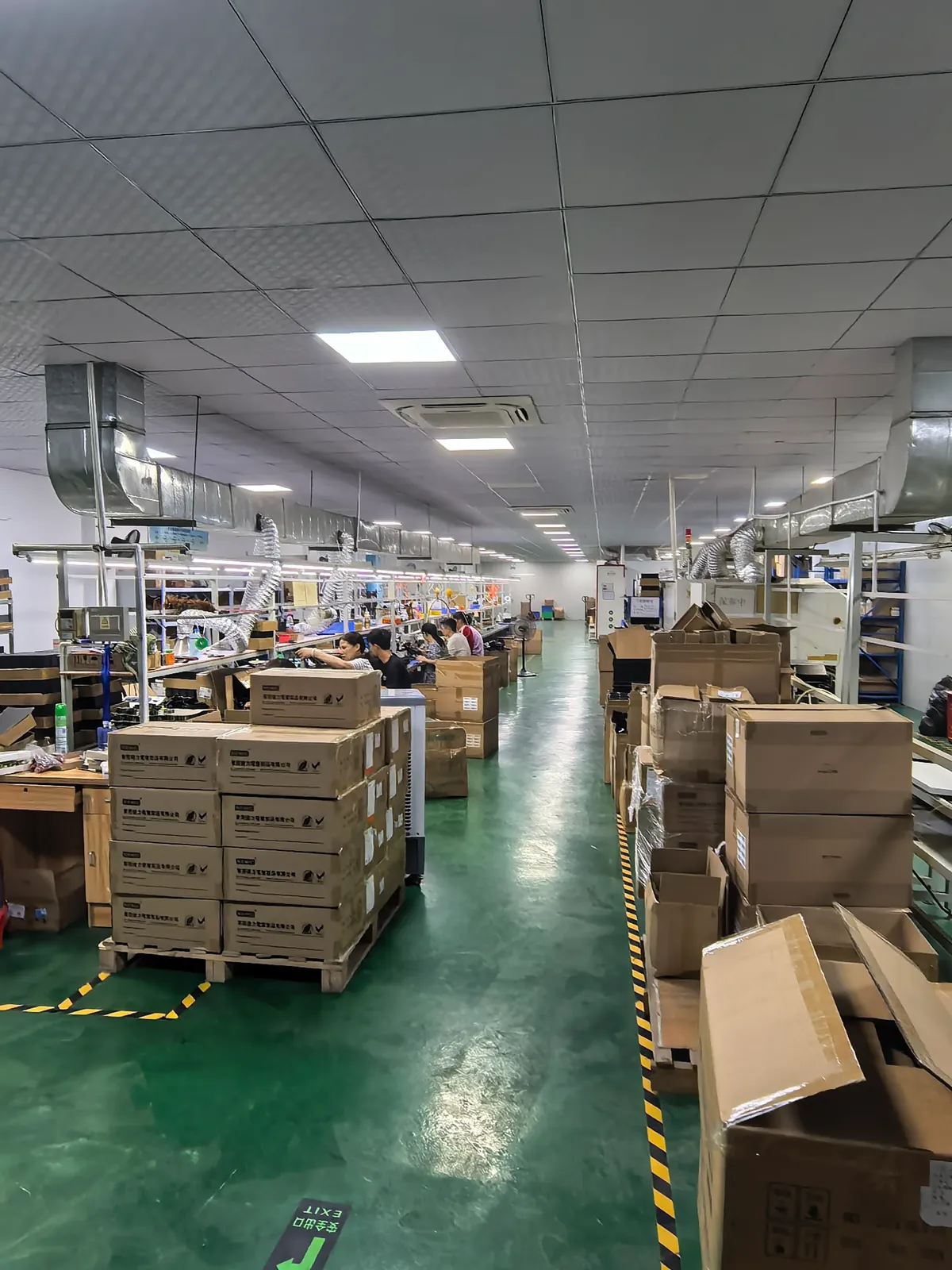
Paiyi Power compliance profile
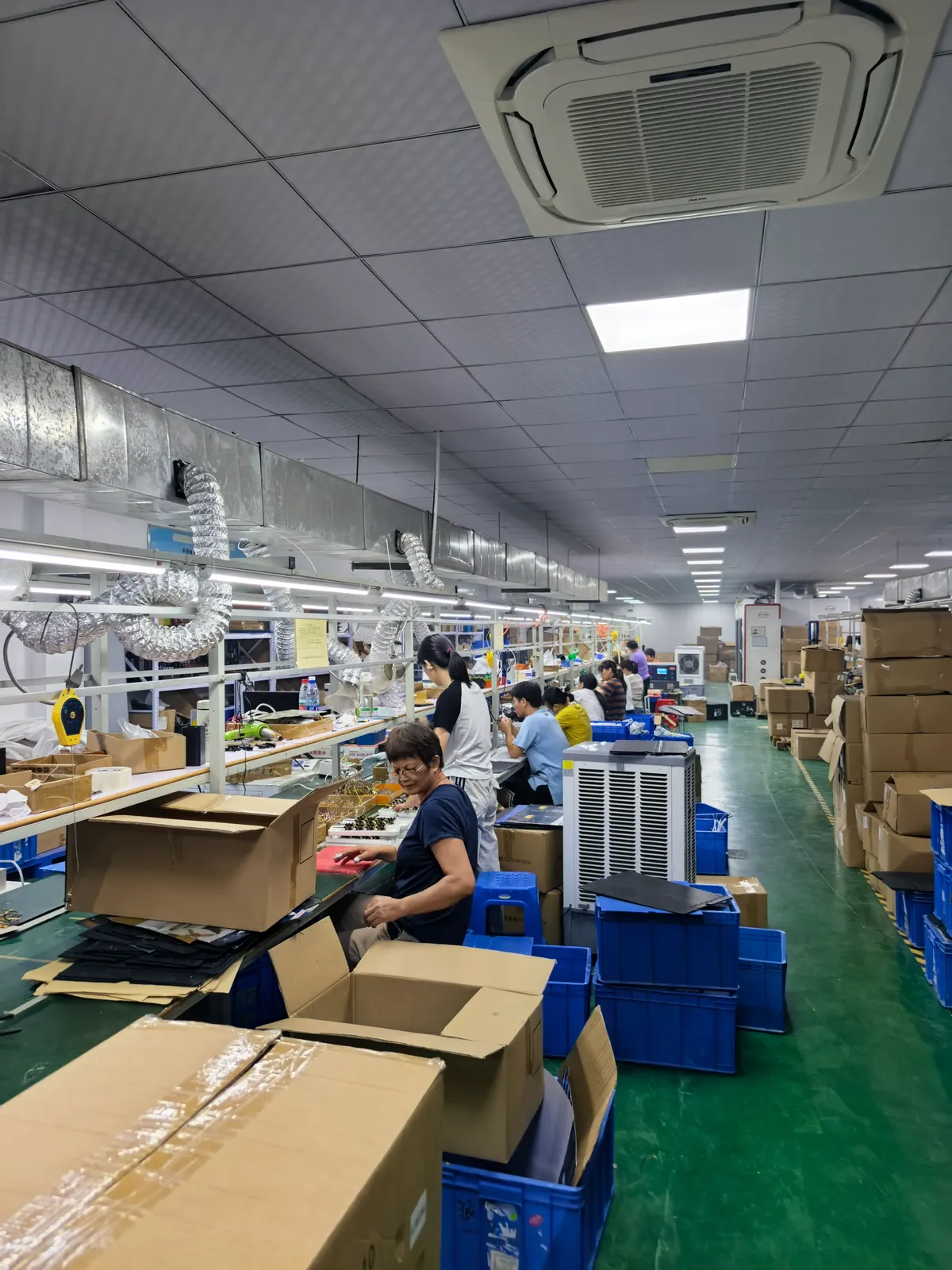
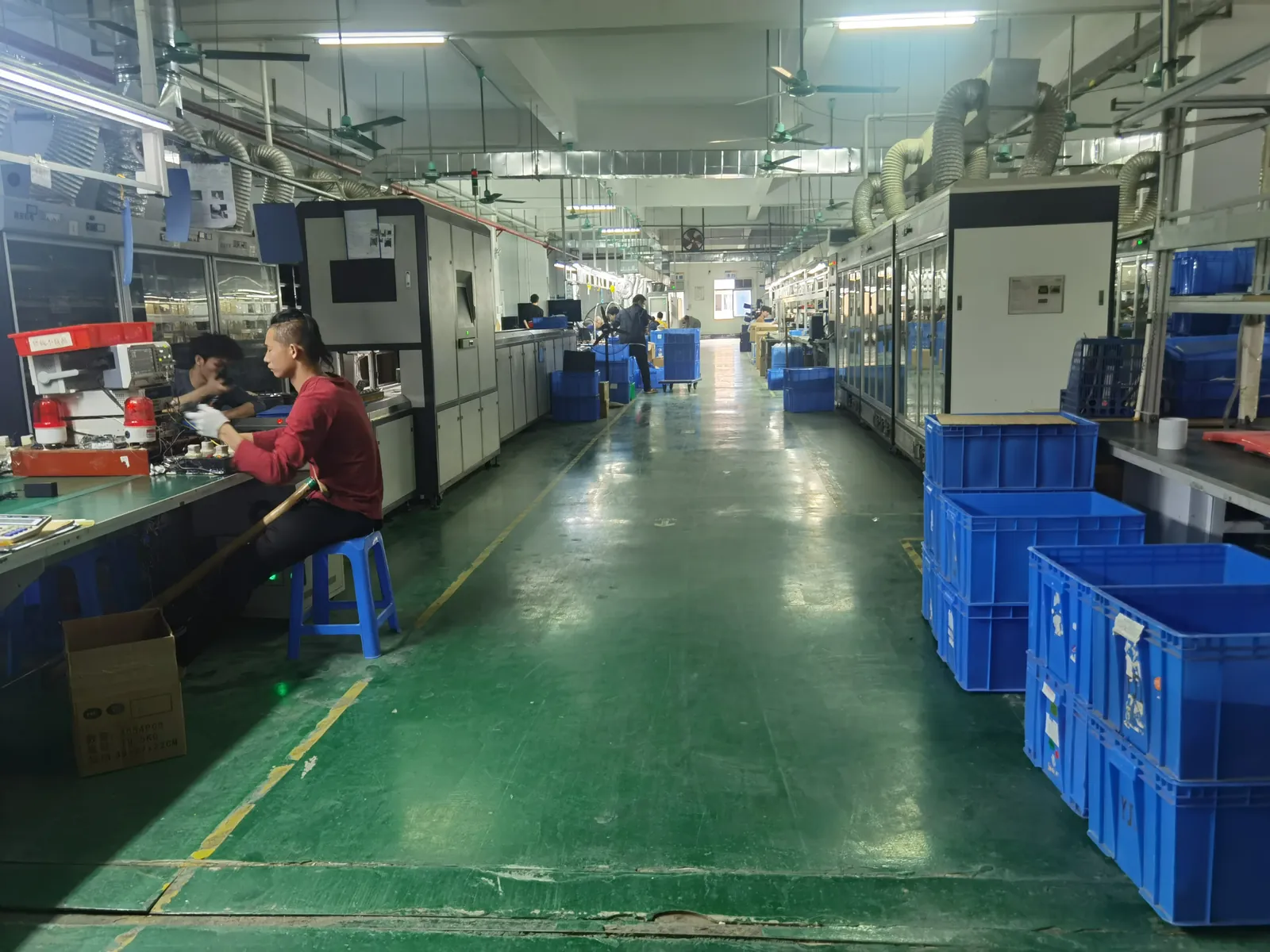
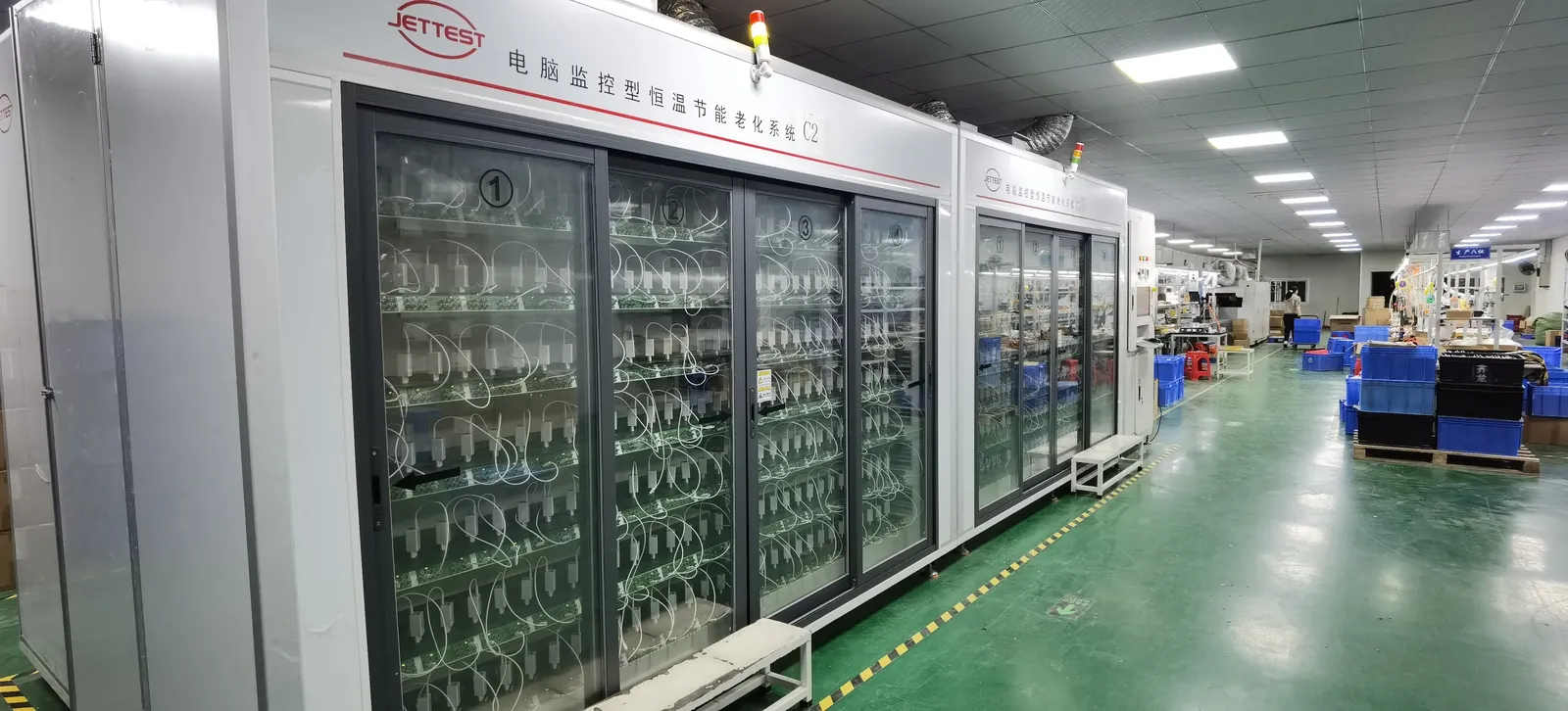
Paiyi Power is a power adapter manufacturer that designs for external power supply efficiency to US and EU rules, with MOQ from 200 pcs. The figures below are our own factory data, current as of September 2026.
| Item | Paiyi Power |
|---|---|
| Minimum order quantity (MOQ) | 200 pcs per model |
| Monthly capacity | Up to 150,000 pcs |
| Production lines | 4 |
| Employees | 50 |
| Lead time | 5–6 weeks |
| Pre-shipment inspection | 100% of units |
| Quality system | ISO 9001 |
| PD 3.2 status | Products designed to the USB PD 3.2 specification, including SPR AVS. Earlier production runs were tested and certified to USB PD 3.1. |
Frequently asked questions about external power supply efficiency
What is the difference between DOE Level VI and EU ErP?
Same goal, different market. DOE Level VI is the US rule; EU ErP (Reg. (EU) 2019/1782) is the EU Ecodesign rule. Both set minimum external power supply efficiency and a no-load cap; a supply shipped to both regions must meet each.
Is CoC Tier 2 mandatory?
No — it is a voluntary benchmark. Many EU buyers request it as a quality signal. Designing to CoC Tier 2 means you clear the mandatory ErP floor with margin.
Does a GaN supply guarantee compliance?
It makes it easier, not automatic. GaN gives external power supply efficiency headroom, but the model still must be tested and reported against DOE VI or ErP. See our GaN guide.
Is efficiency the same as safety certification?
No. Efficiency rules govern wasted energy; safety certification (CE, CB, FCC, IEC 62368-1) governs user safety. Both are required and tested separately.
How is average efficiency measured?
Across load points, not one peak. Rules use a four-point average (commonly 25/50/75/100% load) plus a no-load measurement, so a supply cannot pass on a single best-case number.
Does a family efficiency report cover my model?
Not necessarily. Ask for the report naming your exact model number. A family average may not represent the SKU you are buying.
Can a small factory meet these rules?
Yes. Efficiency compliance is a design and test result, not a size credential. Paiyi Power designs to DOE VI and EU ErP from 200 pcs.
What no-load power matters for?
Standby waste. The no-load cap limits what a plugged-in, idle supply draws, which adds up across a product fleet.
Do USB-C PD chargers have efficiency rules too?
Yes, on top of PD specs. A USB-C PD charger must still meet DOE VI / ErP for external supplies; the PD spec (IEC 62680) is separate.
Sources
- U.S. DOE — External Power Supplies (Level VI)
- EU Commission — Ecodesign / ErP for external power supplies
- U.S. EPA — Energy Star Power Supplies
- IEC — Power supply safety standards (e.g. IEC 62368-1)
- USB-IF — USB Power Delivery specifications